
One of the first questions homeowners ask before starting a renovation is, “How long will this take?”
When it comes to design build construction, the answer is more predictable than with traditional remodeling methods—but only if you understand how the process works.
A design build construction timeline for home remodeling looks different from contractor-only projects because design and construction are planned together from the start. Instead of guessing timelines and reacting to delays, homeowners benefit from a phased, coordinated approach that improves efficiency and reduces disruptions.
This guide walks through each stage of the design build construction timeline so you know what to expect, how long each phase typically lasts, and why this approach leads to fewer surprises during home remodeling projects.
Why Timeline Matters in Home Remodeling
Home remodeling impacts daily life. Kitchens may be unusable, bathrooms temporarily offline, and living spaces disrupted. When timelines slip, stress increases quickly.
Many renovation delays are caused by fragmented planning—design changes during construction, late material selections, or miscommunication between designers and contractors. These issues are common in traditional remodeling models.
Design build construction improves timeline reliability by addressing decisions earlier and coordinating work under one team. While no renovation is immune to delays, this integrated approach significantly improves predictability.
How the Design Build Construction Timeline Works
The design build construction timeline is built around phases, not guesswork. Each phase serves a purpose and feeds directly into the next, reducing downtime and rework.
Unlike traditional home remodeling, where construction often starts before details are finalized, design build construction prioritizes alignment before breaking ground.

Phase 1: Initial Consultation and Feasibility
The timeline begins with an initial consultation. During this phase, homeowners discuss goals, scope, budget comfort, and constraints.
This step helps determine whether the project is feasible within desired parameters and sets expectations early. While brief, this phase is critical because it establishes the foundation for the entire home remodeling timeline.
Typical duration: a few weeks, depending on project complexity and decision readiness.
Phase 2: Conceptual Design and Preliminary Budgeting
Once goals are clear, conceptual design begins. Layout ideas, flow, and high-level aesthetics are explored while preliminary budgets are developed alongside them.
This is a defining feature of design build construction. Design ideas are evaluated against real cost data, allowing homeowners to adjust scope before timelines are locked in.
Early alignment here prevents redesign later—a common source of delays in home remodeling projects.
Typical duration: several weeks, depending on scope and feedback cycles.
Phase 3: Design Development and Selections
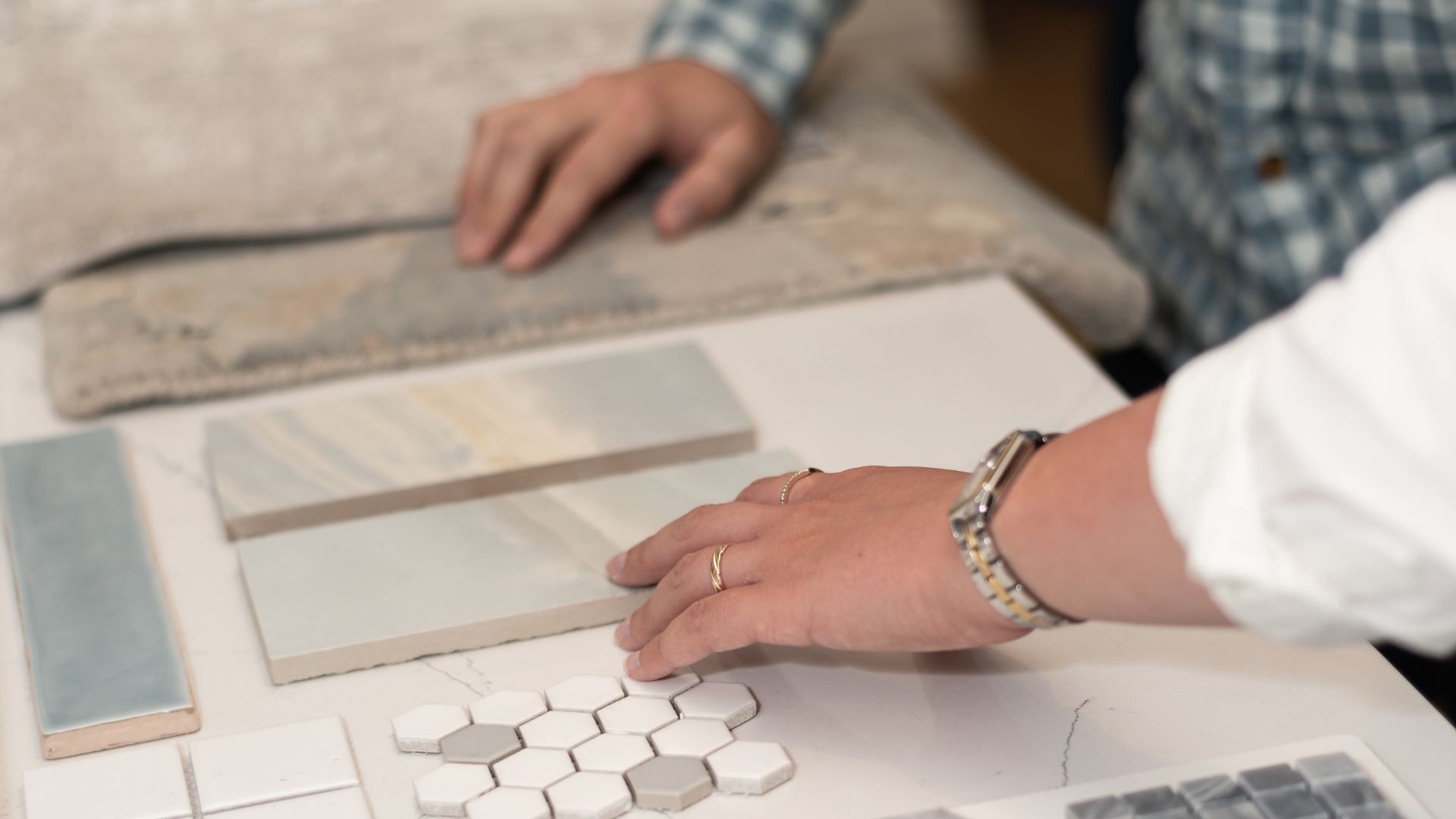
During design development, concepts are refined into detailed plans. Material selections, fixtures, finishes, and systems are chosen, and pricing becomes more precise.
This phase often determines the overall length of the home remodeling project because material lead times are identified and coordinated.
Design build construction allows these decisions to be finalized before construction starts, dramatically reducing mid-project interruptions.
Typical duration: one to two months for most remodeling projects.
Phase 4: Pre-Construction Planning
Pre-construction bridges design and construction. Permits are secured, schedules finalized, materials ordered, and subcontractors coordinated.
Because design and construction teams are integrated, pre-construction planning is more efficient. Sequencing is intentional, and potential bottlenecks are addressed proactively.
This phase is often overlooked by homeowners but plays a major role in keeping the design build construction timeline on track.
Typical duration: several weeks, depending on permitting and material lead times.
Phase 5: Construction and Execution
Construction is where homeowners see visible progress—but it’s also where poor planning causes delays in traditional remodeling.
In design build construction, most major decisions have already been made. This allows construction to move forward with fewer interruptions, clearer documentation, and tighter coordination between trades.
While unexpected conditions can still arise, the integrated planning reduces reaction time and keeps the home remodeling project moving.
Typical duration varies widely based on scope:
- Kitchens and bathrooms: a few months
- Whole-home remodels: several months or longer
- Additions and structural changes: extended timelines
Phase 6: Finishing, Inspections, and Walkthrough
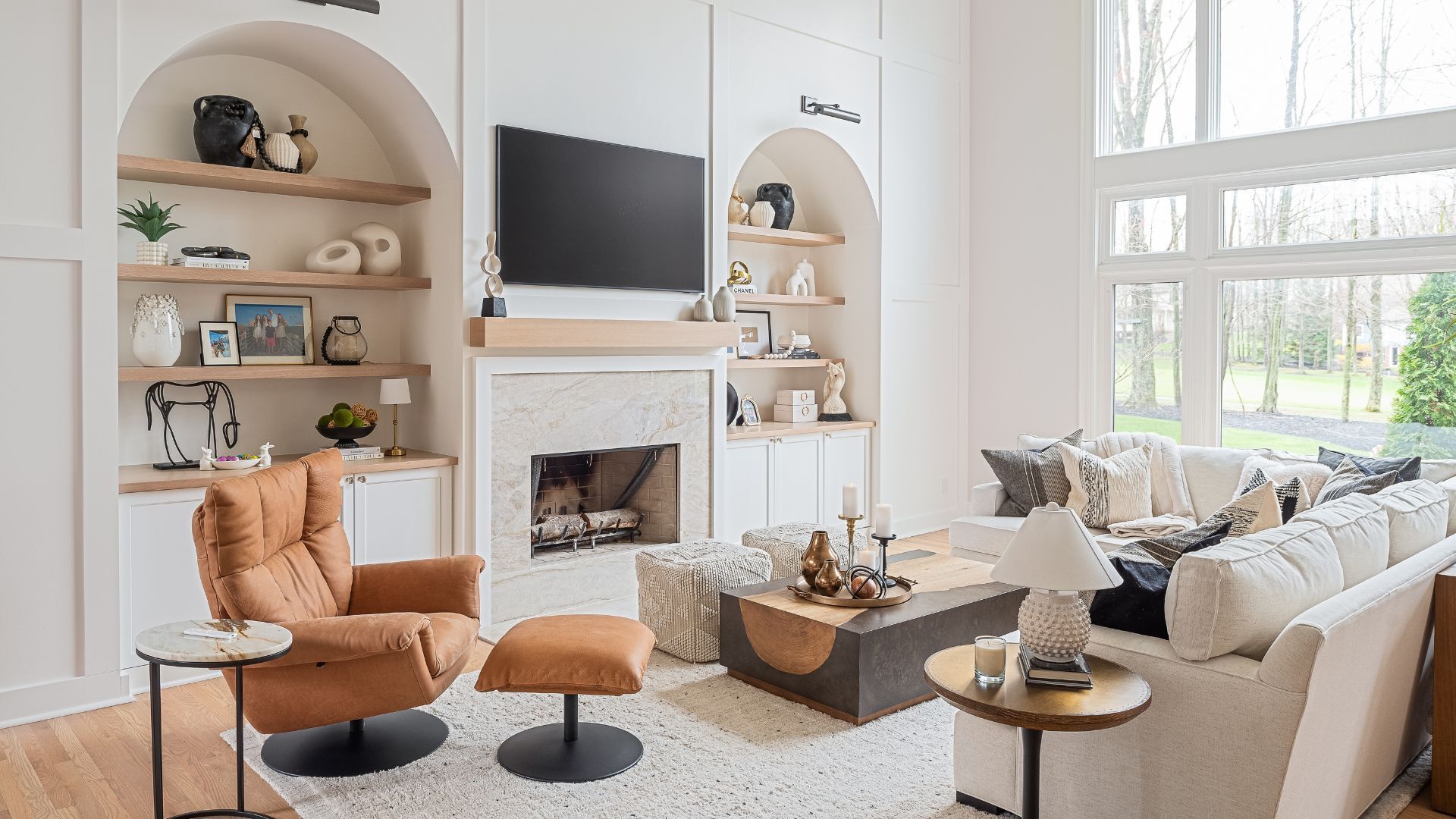
The final phase includes inspections, finishing work, punch-list items, and walkthroughs. This is where details are refined and the project is prepared for completion.
Because the design build construction team has been involved throughout, there is typically less back-and-forth at this stage compared to traditional home remodeling projects.
Final walkthroughs ensure the renovation meets expectations before close-out.
Typical duration: a few weeks.
Why Design Build Construction Reduces Timeline Delays
Design build construction improves timelines not by rushing, but by removing friction.
Design and construction alignment reduces redesign. Early budgeting prevents scope changes. Internal communication reduces waiting on clarifications. Material planning minimizes downtime.
For homeowners, this means fewer stalled days, fewer emergency decisions, and a smoother remodeling experience overall.
Common Timeline Disruptors (Even in Design Build)
While design build construction improves predictability, some factors can still affect the timeline.
Permit approval timelines vary by municipality. Custom materials may have extended lead times. Hidden conditions in older homes can require additional work once demolition begins.
The advantage of design build construction is not eliminating these risks, but managing them proactively and communicating impacts clearly.
How Homeowners Can Help Keep the Timeline on Track
Homeowners play an important role in maintaining the design build construction timeline.
Making timely decisions during design, approving selections promptly, and maintaining open communication helps prevent unnecessary delays. Trusting the process and avoiding late design changes during construction also preserves momentum.
A well-coordinated team performs best when homeowners are engaged but not forced into rushed decisions.
Timeline Transparency Builds Confidence
One of the greatest benefits of the design build construction approach is transparency. Homeowners understand what phase they’re in, what comes next, and why certain steps take time.
This clarity reduces frustration and builds confidence throughout the home remodeling process.
Instead of asking, “Why is this taking so long?”, homeowners understand what’s happening and why.
Final Thoughts: Plan First, Build Smarter
A successful home remodeling project isn’t just about craftsmanship—it’s about coordination, planning, and realistic timelines.
Design build construction creates a structured timeline that aligns design, budgeting, and execution. While renovations will always involve some disruption, a clear process dramatically improves predictability and peace of mind.
When homeowners understand the design build construction timeline, they’re better prepared, more confident, and far more satisfied with the remodeling experience.