
Choosing a design build approach is often a leap of faith for homeowners—especially if it’s their first major renovation. To understand what that experience really feels like, we spoke with clients who completed a full design-build project and asked a simple question: Would you do it again?
Their answer was clear—and the reasons behind it reveal why design-build continues to grow in popularity.
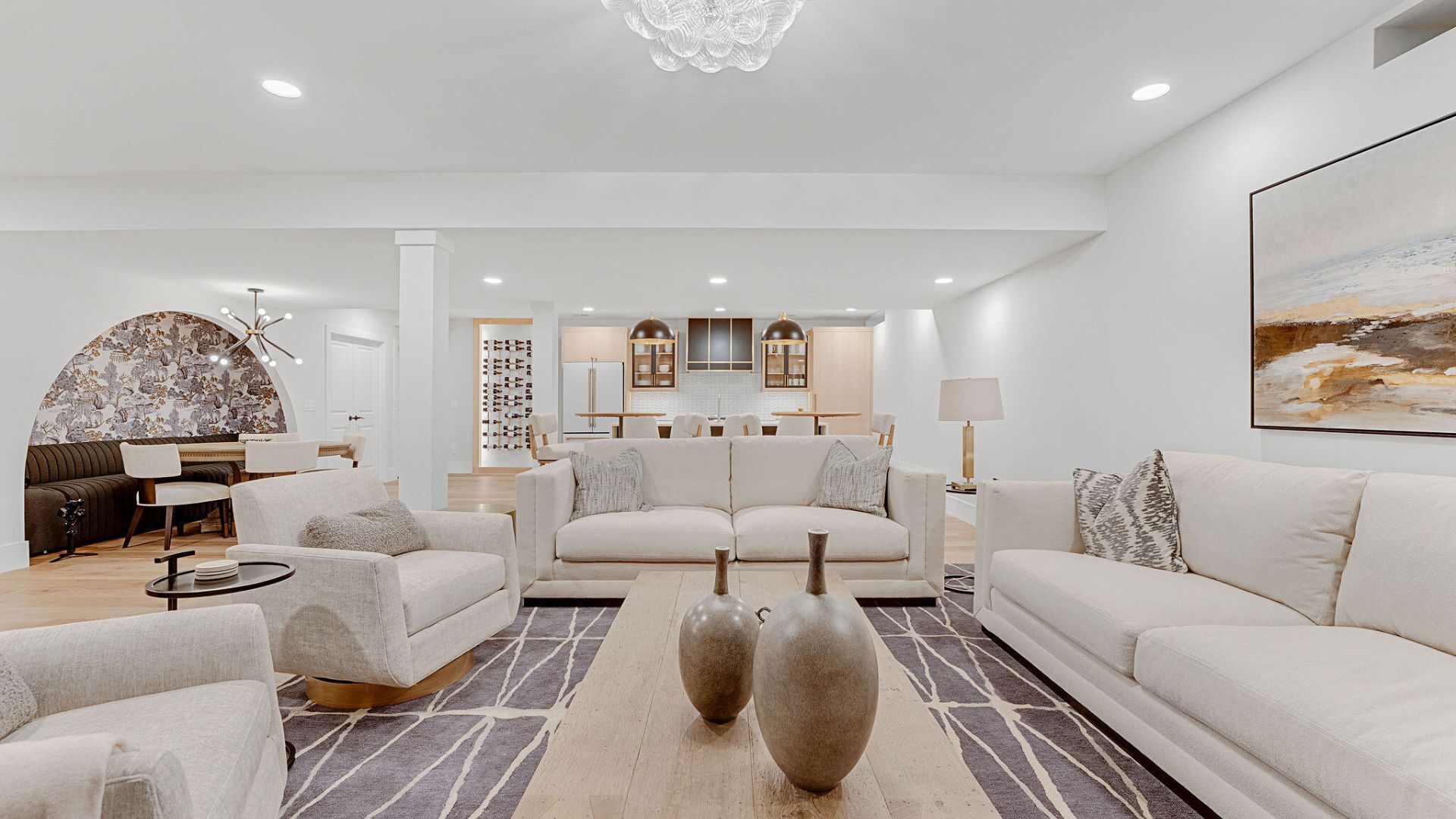
Why They Considered Design Build in the First Place
Before selecting design build, the homeowners explored more traditional options. They quickly realized that managing separate designers, contractors, and schedules felt overwhelming.
What drew them to design build was the promise of a single, coordinated team. Instead of acting as the middleman, they wanted one group responsible for both planning and execution—reducing confusion and decision fatigue.
The Early Experience: One Team, One Direction
From the first meetings, the design build structure felt different. Design conversations were grounded in real-world construction considerations, not abstract ideas that might later break the budget.
The clients shared that having designers and builders collaborate in the same room created confidence early on. Questions were answered immediately, and trade-offs were discussed openly—setting realistic expectations from the start.
Communication That Reduced Stress
One of the most consistent takeaways from the interview was how communication improved the overall experience.
Instead of juggling emails and approvals across multiple parties, the clients worked with a single point of contact who coordinated everything. This made updates easier to understand and decisions faster to make.
They described the process as “guided, not rushed,” which helped them feel informed without being overwhelmed.
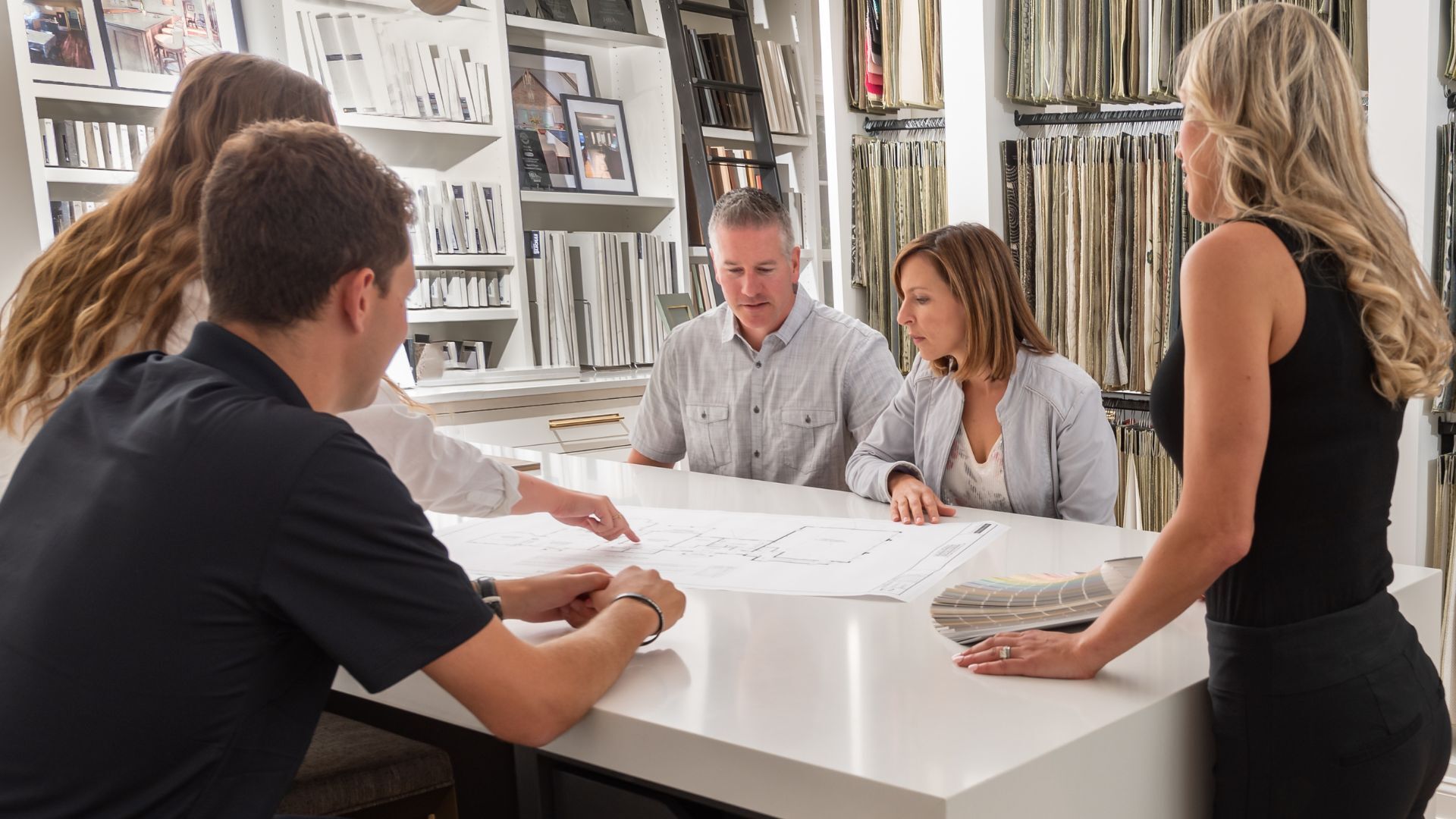
Budget Transparency Made a Big Difference
Budget uncertainty is one of the biggest fears homeowners have. In this design build project, costs were discussed early and revisited often.
Because the team handled both design and construction, changes were priced in real time. The clients appreciated knowing the financial impact of decisions before committing—rather than discovering surprises mid-build.
This transparency helped them stay within budget without feeling constrained.
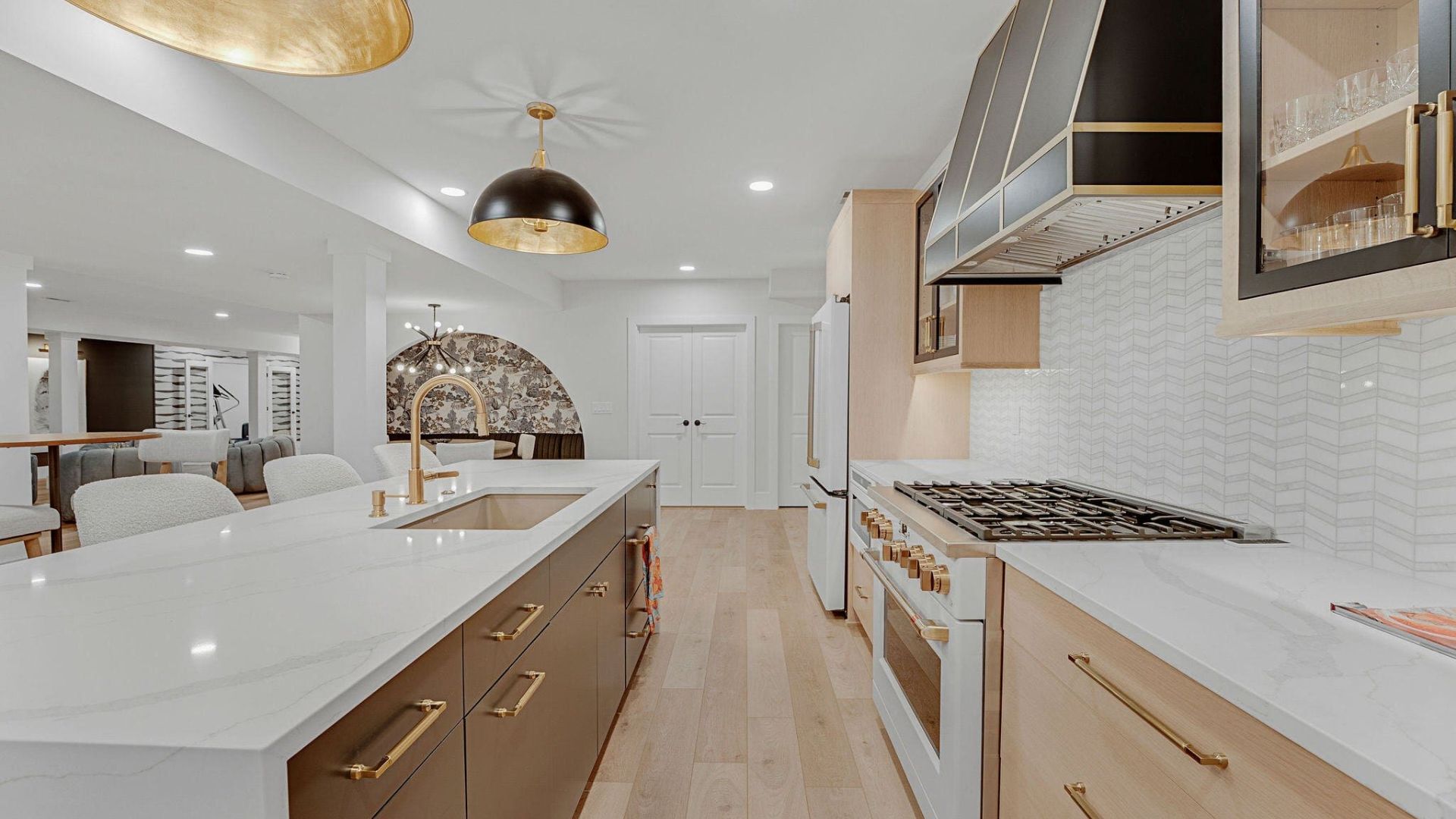
Seeing Ideas Become Reality
As construction progressed, the benefits of design build became even clearer. Design intent translated smoothly into execution because the same team was responsible throughout.
The clients noted fewer delays, faster problem-solving, and less rework compared to past projects they’d experienced. Adjustments were handled collaboratively, without finger-pointing between separate parties.
The Final Result—and How It Felt to Live in It
Once complete, the finished space matched what had been discussed during planning—both visually and functionally.
Beyond the physical outcome, the clients emphasized how calm the process felt compared to what they expected from a major renovation. That emotional experience mattered just as much as the final design.
Why They’d Choose Design Build Again
When asked if they would choose design build again, the answer was immediate: yes.
They cited clearer communication, stronger accountability, realistic budgeting, and a smoother overall process. For them, design build wasn’t just a construction method—it was a better way to manage complexity.
Final Thoughts
By unifying design and construction under one team, homeowners gain clarity, confidence, and control throughout their project.
For anyone considering a renovation or new build, real experiences like this show why many clients don’t just choose design build once—they choose it again.