
A home addition is one of the most strategic ways to gain space without leaving a neighborhood you love. When done correctly, it improves functionality, preserves architectural balance, and adds long-term value. When rushed or poorly planned, it can feel disconnected and expensive.
This case study walks through a real-world home addition—from the initial problem to final results. Discover how thoughtful planning makes all the difference.
The Problem: When the Home No Longer Fits
The homeowners loved their location and the character of their house, but daily life had outgrown the space. The existing layout lacked flexibility, storage was tight, and certain rooms were doing double duty in ways that no longer worked.
Rather than relocating, the homeowners explored a home addition as a way to solve space limitations while keeping the home’s original charm intact.
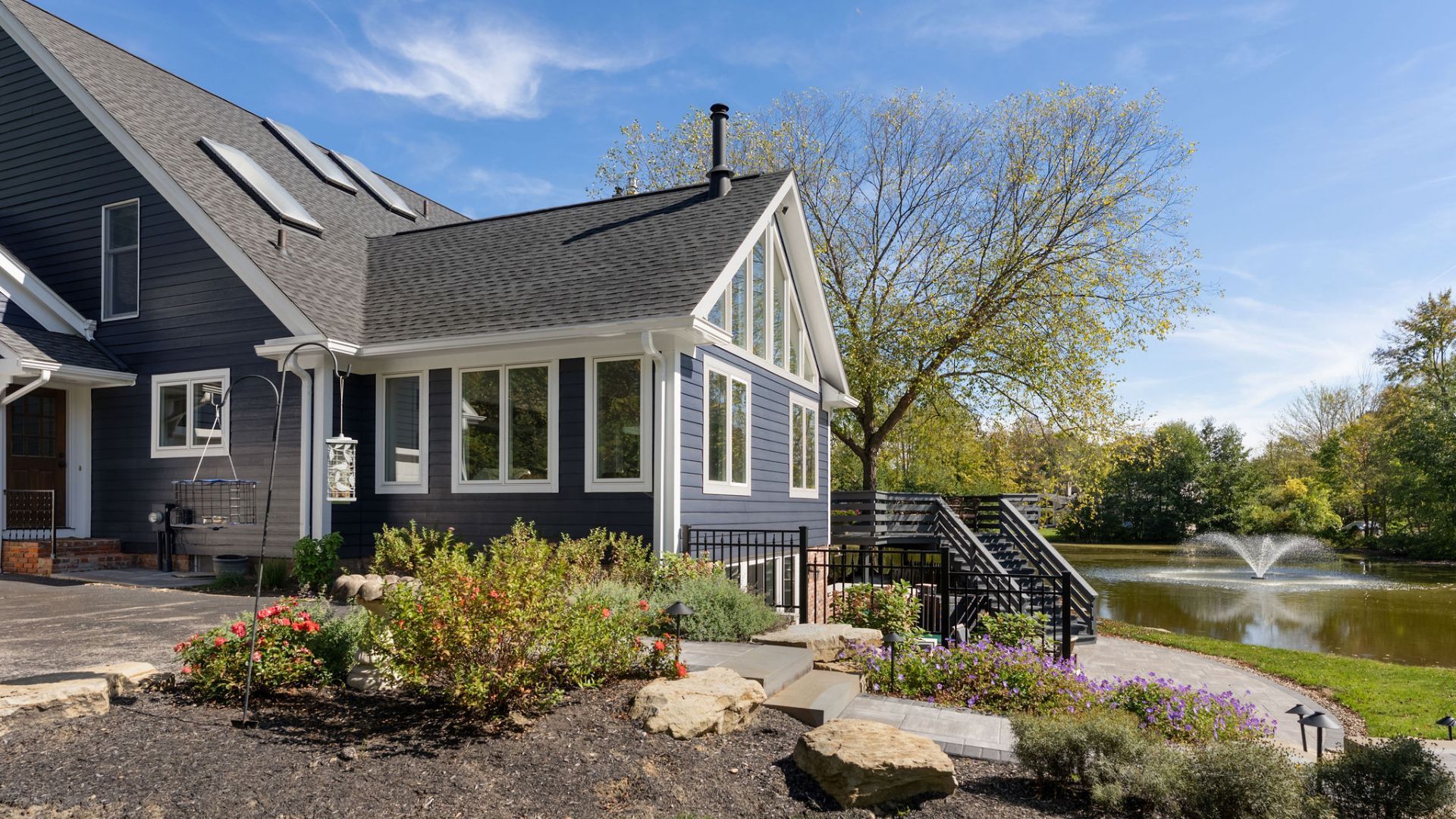
Defining the Purpose of the Home Addition
Before design began, the homeowners clarified what the additional square footage needed to accomplish. This step prevented overbuilding and helped control costs.
The home addition was intended to:
- Create a dedicated functional space rather than multi-use rooms
- Improve circulation without disrupting existing living areas
- Blend seamlessly with the home’s original architecture
- Add usable square footage without overwhelming the lot
By focusing on purpose instead of size alone, the addition stayed efficient and intentional.
Design & Planning Phase
The design phase focused on integration. Floor plans were adjusted so the home addition felt like a natural extension rather than an afterthought.
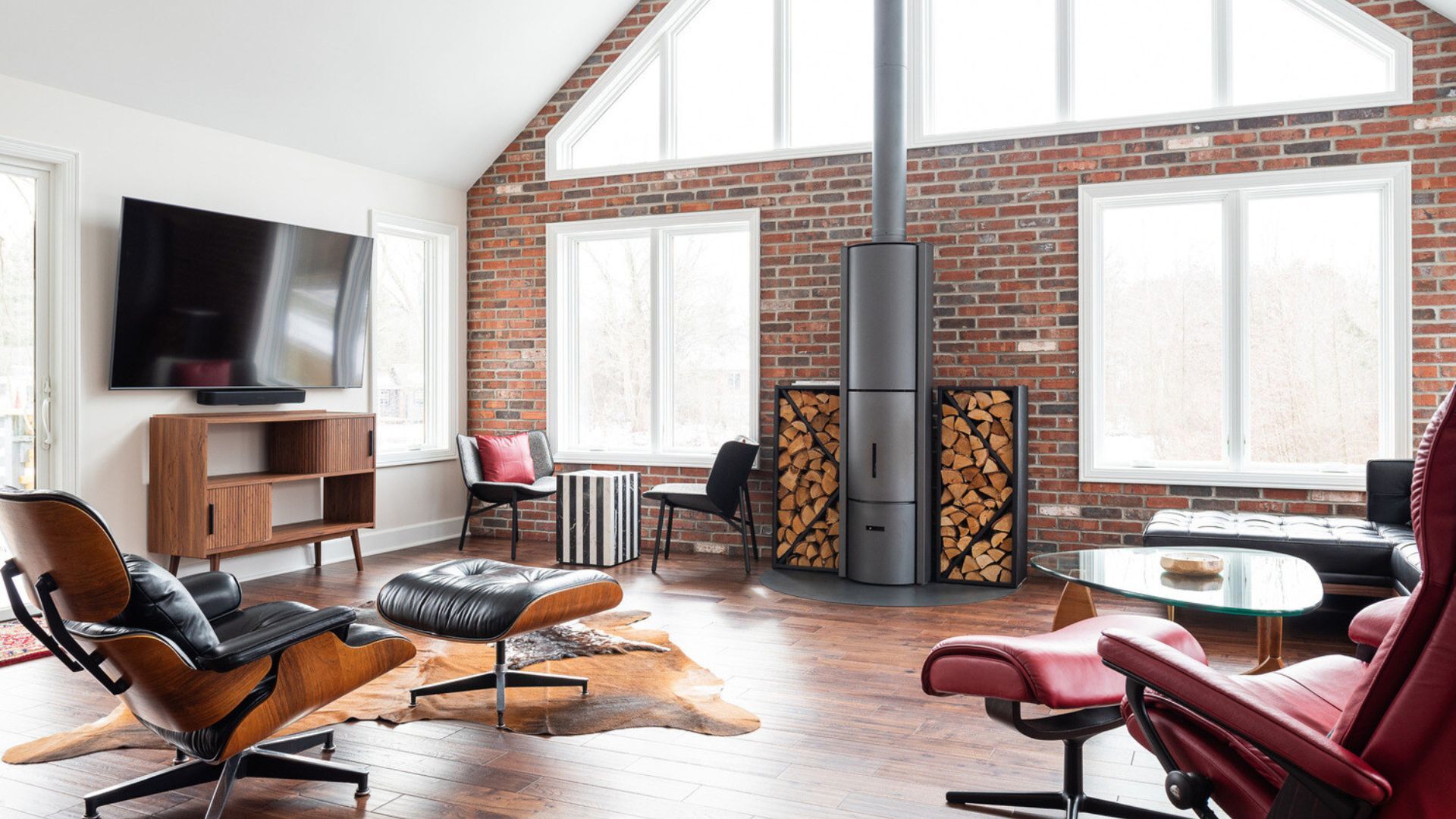
Key considerations included rooflines, window placement, and how natural light would move through both old and new spaces. Structural planning also ensured the addition met zoning, setback, and building code requirements before construction began.
This stage set the tone for a smooth build.
Construction Timeline
A clear construction timeline helped manage expectations and minimize disruption. The home addition was completed in stages. It started with site preparation and foundation work, followed by framing, utilities, and interior finishes.
While weather and inspections influenced the schedule slightly, proper sequencing prevented major delays. Most of the visible transformation happened toward the end, once exterior and interior finishes were installed.
Budget Considerations
The cost of a home addition depends heavily on complexity, materials, and how the new space connects to existing systems.
In this project, budget planning accounted for structural work, electrical and plumbing extensions, exterior finishes, and interior detailing. By aligning design choices with the initial budget range, the homeowners avoided last-minute compromises.
Building in a contingency fund also helped absorb minor changes without stress.
The Final Result: A Seamless Expansion
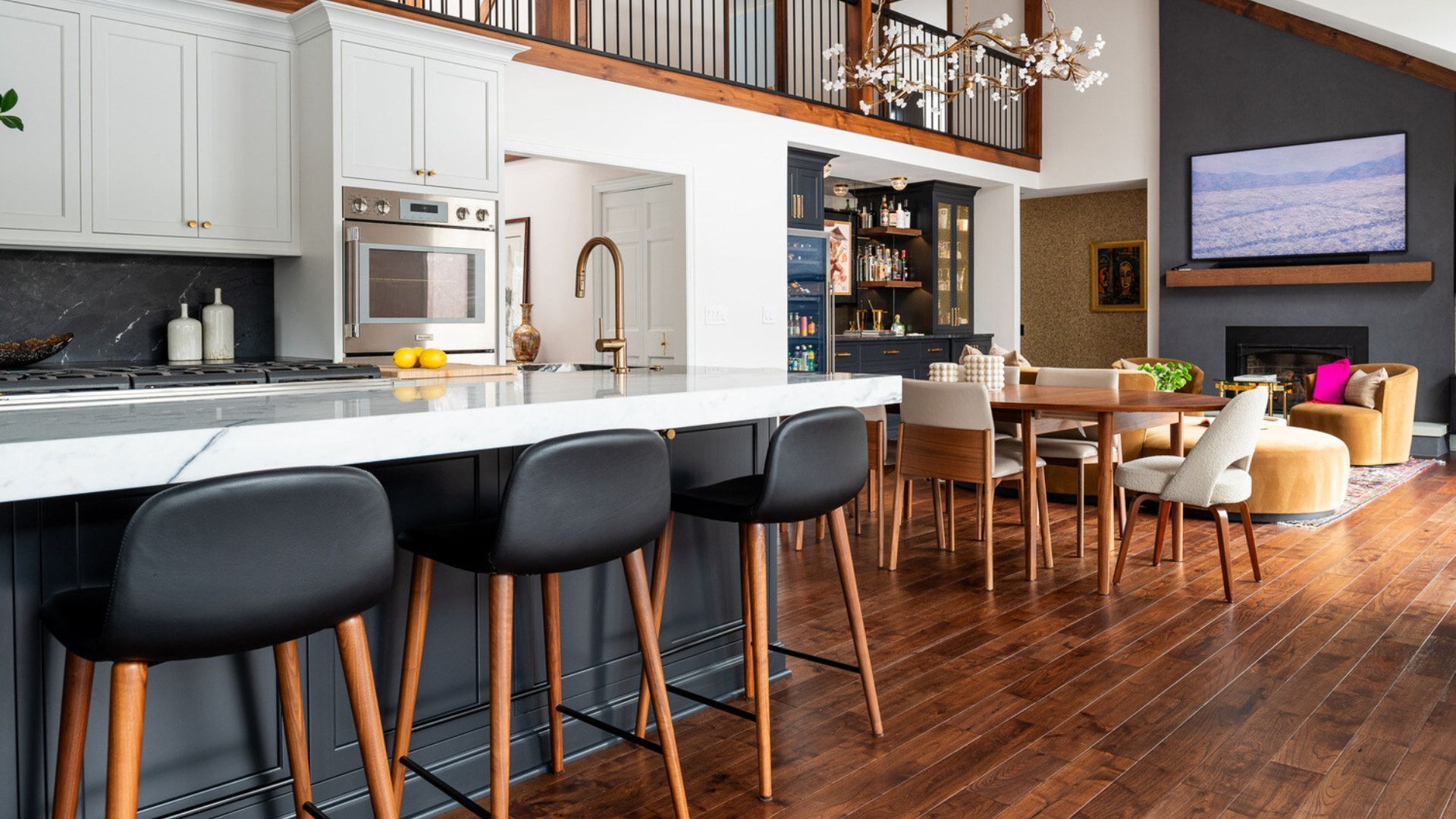
Once complete, the home addition blended naturally with the original structure. The transition between old and new spaces felt intentional, and the added square footage improved both comfort and functionality.
The new space solved the homeowners’ original challenges while enhancing the overall flow of the house. This project proved that a well-executed home addition can feel like it was always meant to be there.
What This Home Addition Got Right
This project highlights several best practices for successful additions:
Clear purpose guides better design decisions. Integration matters more than size. Early planning reduces costly revisions. And respecting the existing home’s character leads to better long-term satisfaction.
Final Thoughts
A successful home addition isn’t just about adding space—it’s about adding the right space. When planning, design, and construction are aligned, homeowners can expand confidently without sacrificing comfort, aesthetics, or value.
If you’re considering adding square footage, case studies like this offer a realistic view of what it takes to do it the right way.