
A kitchen transformation is one of the most impactful upgrades a homeowner can make. Beyond aesthetics, it reshapes how a home functions day to day—improving workflow, storage, and overall comfort. This case study walks through the final results, budget considerations, and realistic timeline behind a complete kitchen transformation.
Whether you’re planning your own remodel or simply exploring what’s possible, this guide shows what a well-executed kitchen renovation really looks like.
The Starting Point: Why the Kitchen Needed a Transformation
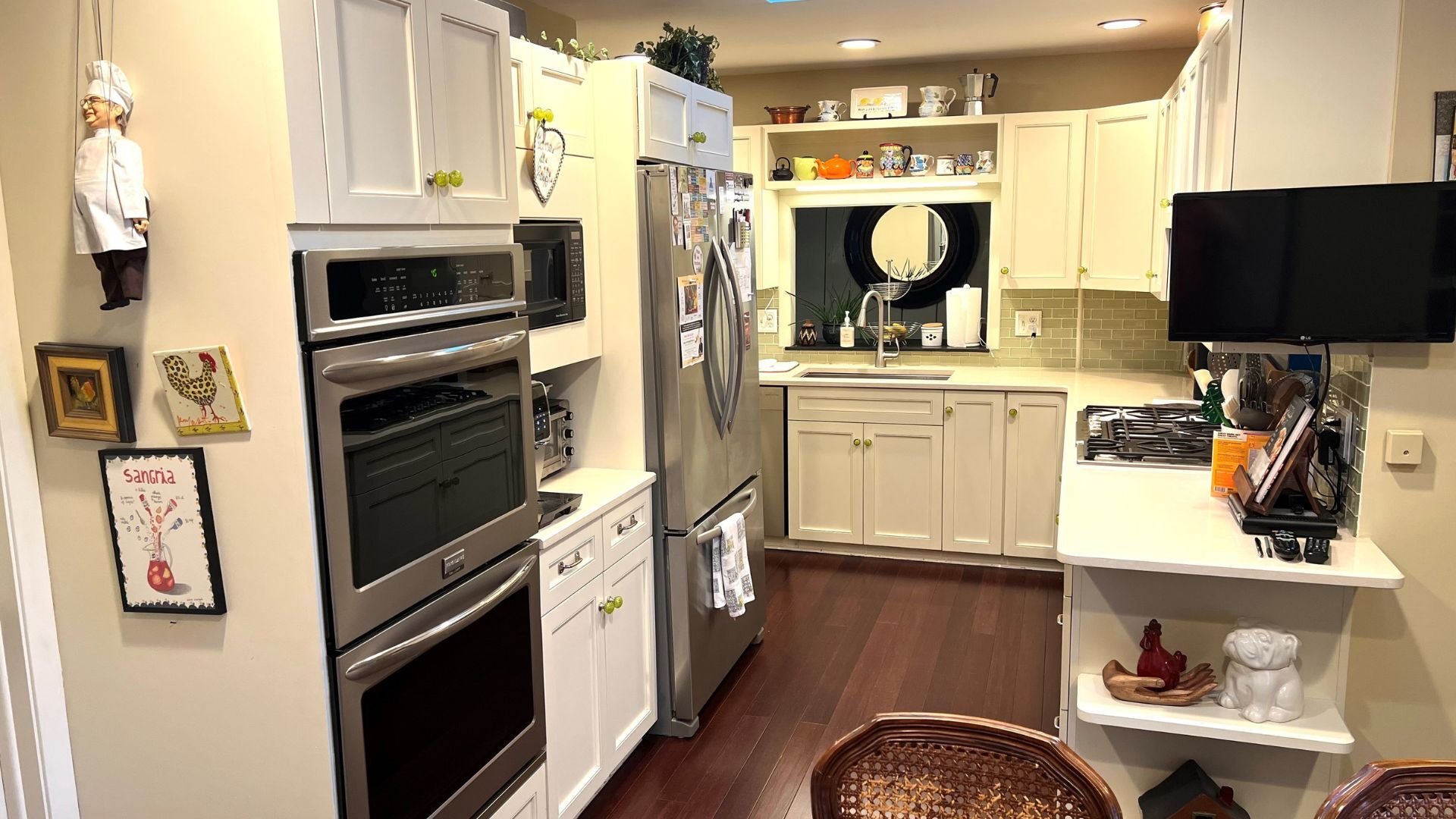
Before the renovation, the kitchen showed many common signs of age and inefficiency. While structurally sound, it no longer supported modern cooking habits or family routines.
Key challenges included limited counter space, outdated cabinetry, poor lighting, and an inefficient layout that made the kitchen feel smaller than it was. These issues often trigger the decision to pursue a full kitchen transformation rather than minor cosmetic updates.
Defining the Goals of the Kitchen Transformation
Clear goals helped shape every decision throughout the project. Instead of redesigning everything at once, the homeowners focused on changes that would deliver the greatest long-term value.
The kitchen transformation goals included improving workflow, increasing storage, enhancing lighting, and creating a design that felt timeless rather than trend-driven. Establishing these priorities early helped keep the project focused and cost-conscious.
Design & Planning Phase
The planning stage laid the foundation for a smooth kitchen transformation. Layout revisions were explored first, followed by cabinet configuration, appliance placement, and material selection.
During this phase, design choices were evaluated not only for appearance but also for durability, maintenance, and everyday usability. This approach reduced costly changes once construction began.
Budget Breakdown: What Goes Into the Cost
The cost of a kitchen transformation varies widely based on scope, materials, and layout changes. In this project, the budget was allocated across several key categories.
Major cost drivers included cabinetry, countertops, labor, appliances, and lighting upgrades. By prioritizing high-impact elements and balancing premium finishes with cost-effective choices, the homeowners achieved a polished result without overspending.
Planning for contingencies also helped keep the project financially stable.

The Final Results: A Transformed Kitchen Space
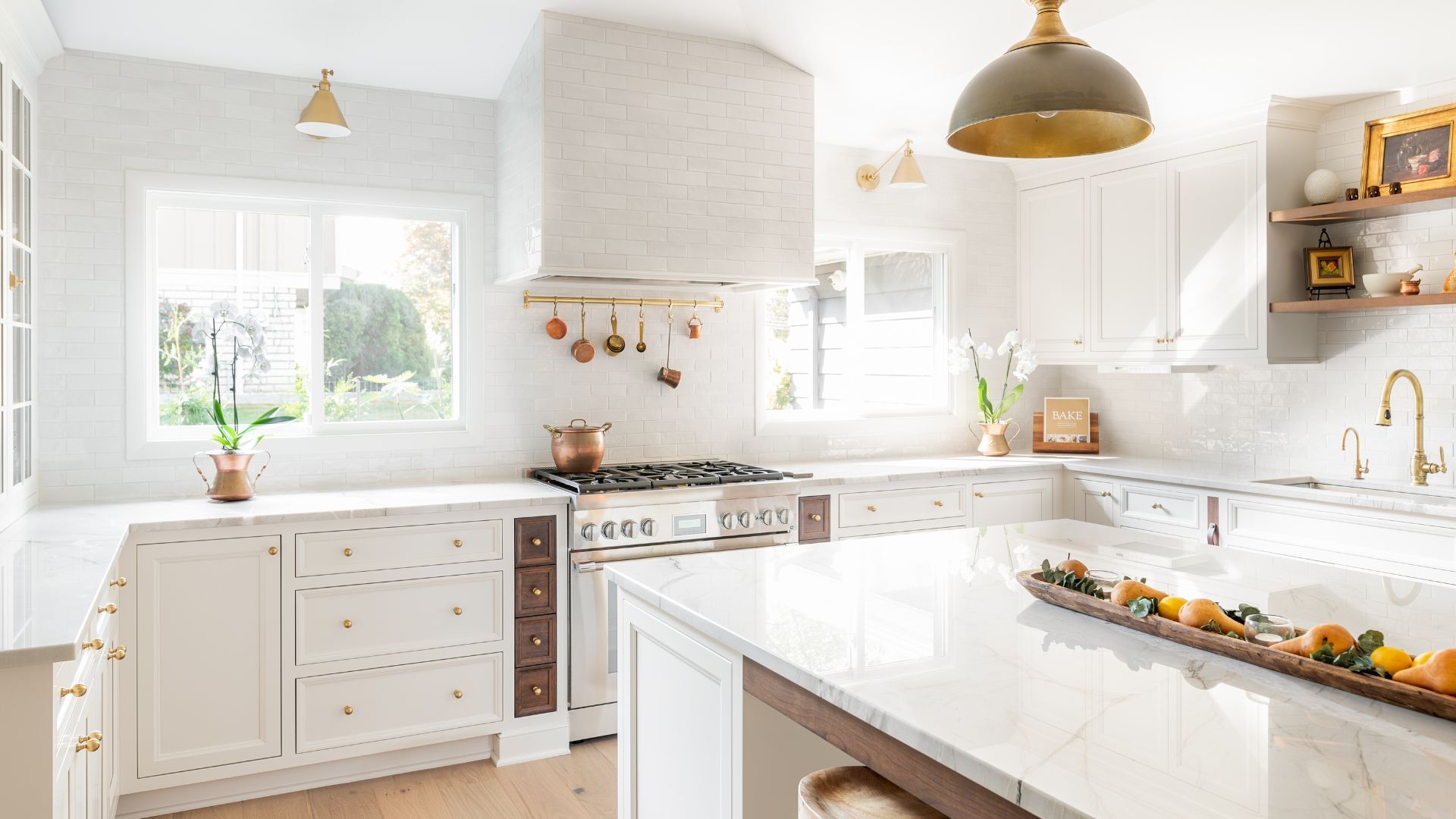
The completed kitchen transformation delivered a space that feels both functional and inviting.
After the renovation, the kitchen featured improved flow between work zones, brighter lighting, increased storage, and a cohesive design that complements the rest of the home. The transformation didn’t just modernize the kitchen—it made it easier and more enjoyable to use every day.
Lessons Learned From This Kitchen Transformation
Every renovation provides insights that can help future projects succeed. This kitchen transformation reinforced a few key lessons:
Thoughtful planning reduces stress later. Layout improvements often matter more than decorative upgrades. Budget discipline leads to better long-term satisfaction. And clear communication throughout the process keeps expectations aligned.
Final Thoughts
A well-planned kitchen transformation balances design, budget, and timeline to deliver meaningful results. By focusing on function first and aesthetics second, homeowners can create kitchens that remain practical and attractive for years to come.
If you’re considering a kitchen remodel, understanding the full scope—from planning to final reveal—helps you move forward with confidence and clarity.