
Remodeling permits are one of the most misunderstood parts of a renovation project. Many homeowners only think about permits after construction is already planned—or worse, after work has started. In reality, permits play a critical role in safety, compliance, and protecting the long-term value of your home.
This guide walks through how remodeling permits actually work in real life. Discover how codes and approvals affect timelines, and how homeowners can navigate the process with fewer delays and surprises.
Why Remodeling Permits Exist in the First Place
Remodeling permits are not just paperwork—they exist to ensure that construction meets safety, zoning, and building standards. Local building departments use permits to verify that structural changes, electrical work, plumbing updates, and other major modifications are completed correctly.
While the process can feel bureaucratic, permits protect homeowners from unsafe construction and future legal or resale issues.
Projects That Commonly Require Remodeling Permits
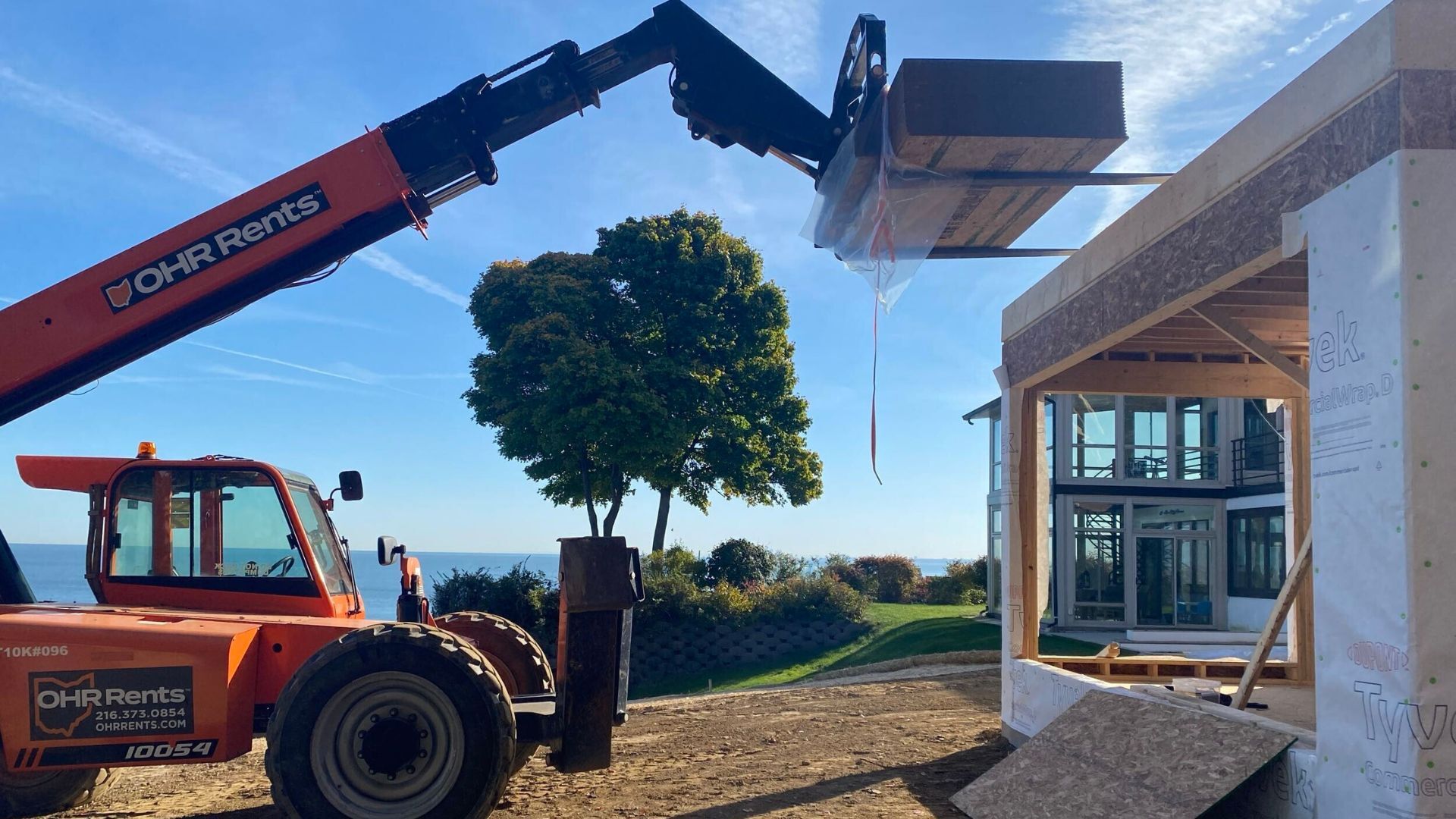
Many homeowners assume permits are only required for major additions, but that’s not always the case. In real-world renovations, permits are often needed for work that affects structure, systems, or occupancy.
Examples include structural wall changes, electrical upgrades, plumbing relocation, HVAC modifications, room additions, and changes that alter a home’s footprint or use. Cosmetic updates, such as painting or flooring replacement, typically do not require remodeling permits—but local rules vary.
How the Permit Approval Process Usually Works
The remodeling permit process generally begins during the planning phase, not after demolition starts. Plans are submitted to the local building department for review, where officials check them against zoning rules and building codes.
Once approved, a permit is issued and inspections are scheduled at specific stages of construction. These inspections verify that work meets code before moving forward. While approvals can take time, following the correct sequence helps avoid rework and stop-work orders.
Common Challenges Homeowners Encounter
Navigating remodeling permits often comes with challenges that aren’t obvious up front. Approval timelines can vary, requirements may change based on scope, and inspections sometimes reveal issues that require corrections.
Delays often occur when plans are incomplete, when work begins before permits are issued, or when homeowners underestimate how codes apply to older homes. Understanding these realities early helps reduce frustration later.
Codes, Inspections, and Real-Life Adjustments
Building codes are designed to improve safety, but they don’t always align perfectly with existing structures—especially in older homes. During inspections, adjustments may be required to bring certain elements up to current standards.
These changes can affect budget and timeline, which is why experienced indication and planning are important. Remodeling permits are not just a one-time approval; they are part of an ongoing compliance process throughout construction.
What Happens If You Skip Remodeling Permits?
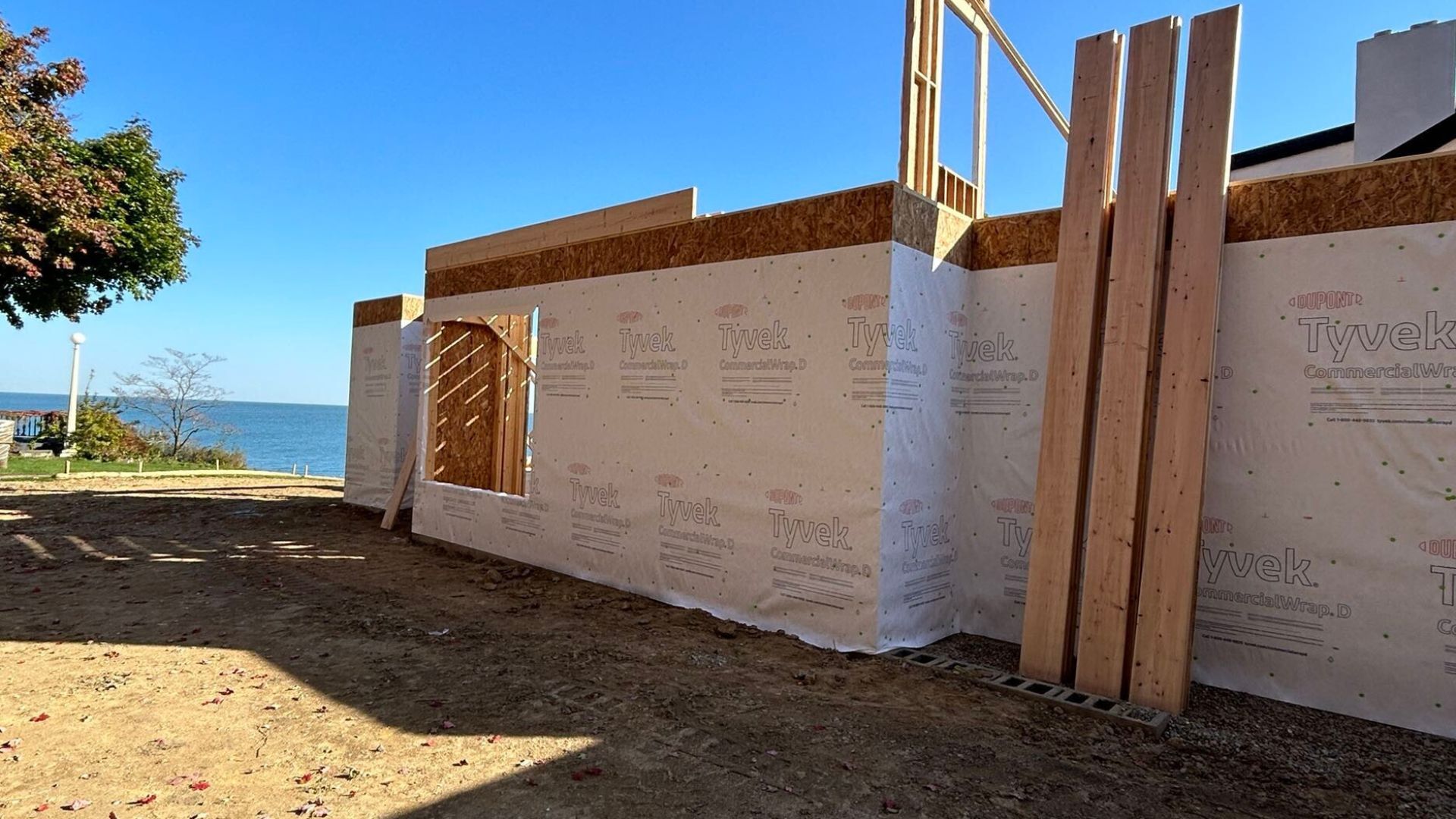
Skipping required remodeling permits can lead to serious consequences. Homeowners may face fines, forced removal of completed work, or complications when selling the property. Unpermitted work can also create insurance issues if damage occurs later.
In many cases, retroactively obtaining permits costs more and takes longer than doing it correctly from the start.

How to Navigate Remodeling Permits More Smoothly
The most effective way to navigate remodeling permits is to treat them as part of the project—not an afterthought. Early planning, clear documentation, and coordination with professionals who understand local requirements can make a significant difference.
Asking questions upfront and understanding inspection milestones helps keep projects moving forward without unnecessary interruptions.
Final Thoughts
Remodeling permits are an essential part of responsible home renovation. While the process can feel complex, understanding how codes and approvals work in real-life situations empowers homeowners to plan better, avoid costly mistakes, and protect their investment.
When permits are handled correctly, they become a safeguard—not a setback—in the remodeling journey.