
A successful renovation doesn’t happen by accident—it follows a clear sequence of decisions, approvals, and construction phases. Understanding a realistic house renovation timeline helps homeowners plan better, avoid delays, and reduce stress throughout the process.
Every project is different, but most house renovations follow a similar progression. This guide walks through each stage, explaining what typically happens from early planning to final completion.

Phase 1: Initial Planning and Goal Setting
The renovation timeline begins long before any work starts on-site.
During this phase, homeowners define what they want to change and why. This includes identifying problem areas, setting priorities, and deciding whether the renovation is cosmetic, structural, or a full remodel. Budget discussions usually start here, along with early conversations about scope and expectations.
Clear planning at this stage prevents costly changes later.
Phase 2: Design Development and Scope Definition
Once goals are set, design work begins.
This phase involves layouts, drawings, material selections, and refining the scope of work. Homeowners may work with designers, architects, or contractors depending on project size. Decisions made here directly impact cost, timeline, and feasibility.
Design finalization is a critical milestone in the house renovation timeline because construction cannot begin until plans are settled.
Phase 3: Budget Finalization and Contractor Selection
With designs in place, accurate pricing becomes possible.
Contractors review plans, provide estimates, and help identify potential cost-saving adjustments if needed. Contracts are finalized, timelines are discussed, and responsibilities are clearly defined.
This stage ensures alignment between expectations and execution before work begins.
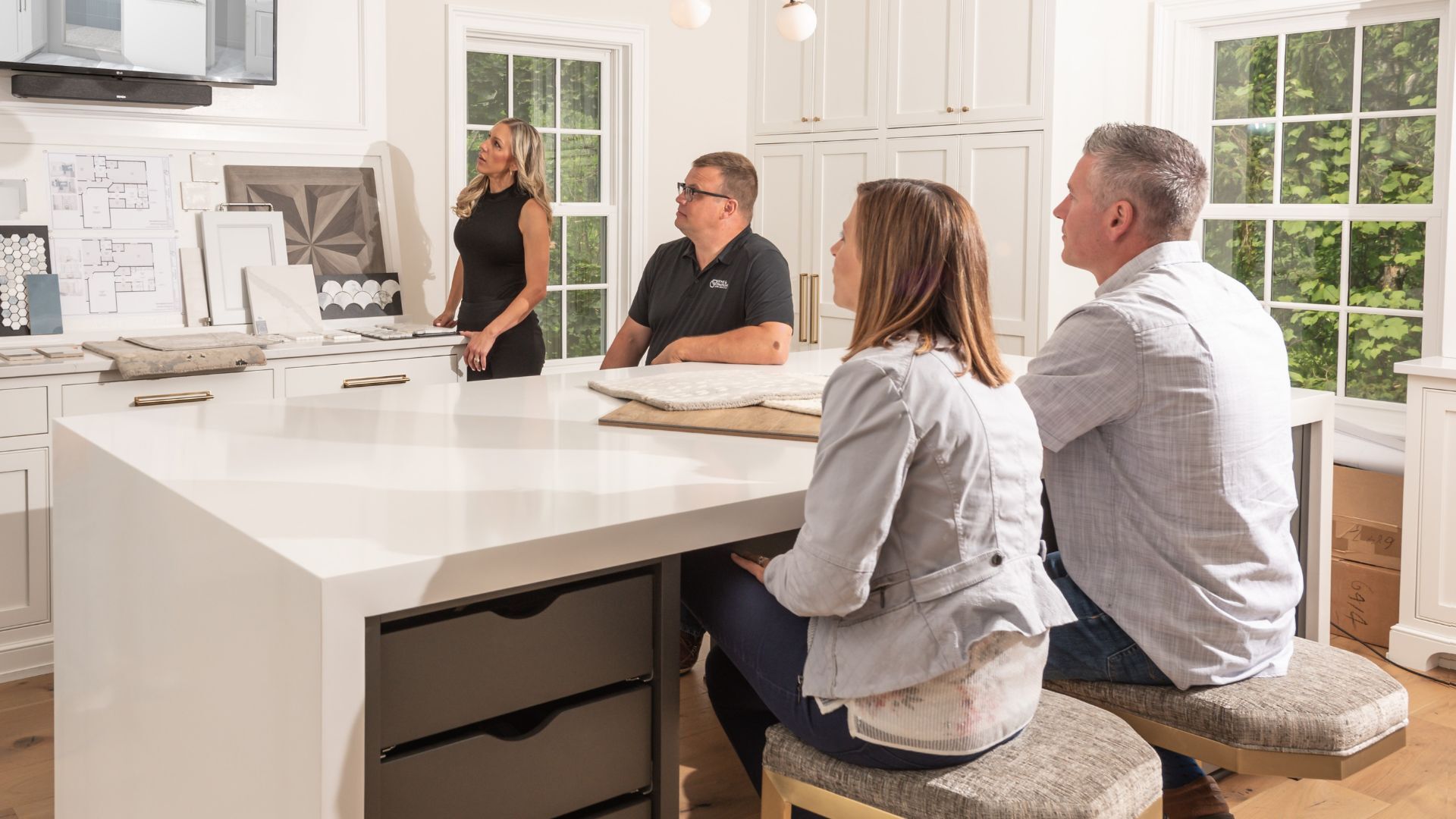
Phase 4: Permits and Pre-Construction Preparation
Before construction starts, required permits must be secured.
Permit timelines vary depending on location and project complexity. While approvals are in progress, contractors typically schedule materials, order long-lead items, and prepare the site for work.
Pre-construction planning reduces downtime once demolition begins.
Phase 5: Demolition and Structural Work
Construction officially begins during the demolition phase.
Old finishes, fixtures, or structural elements are removed to prepare the space for renovation. If structural changes are involved—such as wall removal or additions—this work is completed early to establish the new framework.
This phase often looks messy, but it sets the foundation for everything that follows.
Phase 6: Rough-In Work for Systems
After framing, major systems are installed.
Electrical wiring, plumbing lines, and HVAC components are placed during this phase. Inspections often occur here to ensure systems meet code before walls are closed.
This stage is essential to the long-term safety and functionality of the renovation.
Phase 7: Walls, Floors, and Surface Installation
Once systems are approved, the renovation begins to take shape.
Drywall is installed, floors are laid, and major surfaces are completed. Rooms start to look recognizable again, which is often a psychological turning point for homeowners.
Attention to detail here impacts both durability and appearance.
Phase 8: Fixtures, Finishes, and Final Details
This phase brings the renovation close to completion.
Cabinetry, lighting fixtures, appliances, trim, and paint are installed. Small adjustments and corrections are made as spaces are finalized.
Although less disruptive than earlier phases, this stage requires coordination to ensure finishes align properly.
Phase 9: Final Inspections and Walkthrough
Before a renovation is officially complete, final inspections may be required.
Contractors and homeowners conduct walkthroughs to identify outstanding issues or touch-ups. Punch-list items are addressed, and final approvals are obtained where necessary.
This step ensures the renovation meets both regulatory and personal expectations.

Phase 10: Project Completion and Move-In
The final stage of the house renovation timeline is completion.
Once all work is approved and finished, the space is cleaned and prepared for use. Homeowners can fully enjoy the updated home, knowing the project followed a structured and compliant process.
Final Thoughts
Understanding a realistic house renovation timeline helps homeowners approach remodeling with clarity and confidence. While timelines vary based on scope, design decisions, and external factors, knowing what happens at each stage makes the process more manageable.
With proper planning and communication, renovations will move more smoothly—from the first idea to the final walkthrough.