
One of the first questions homeowners ask before starting a remodel is simple but important: Can we live in the house while the work is happening?
The answer depends on the scope of the remodel, how the work is phased, and your tolerance for disruption. Some homeowners successfully live through renovations with minimal issues, while others find the experience stressful and impractical.
This guide breaks down the pros and cons of staying in your home during a remodel so you can make a realistic, informed decision.
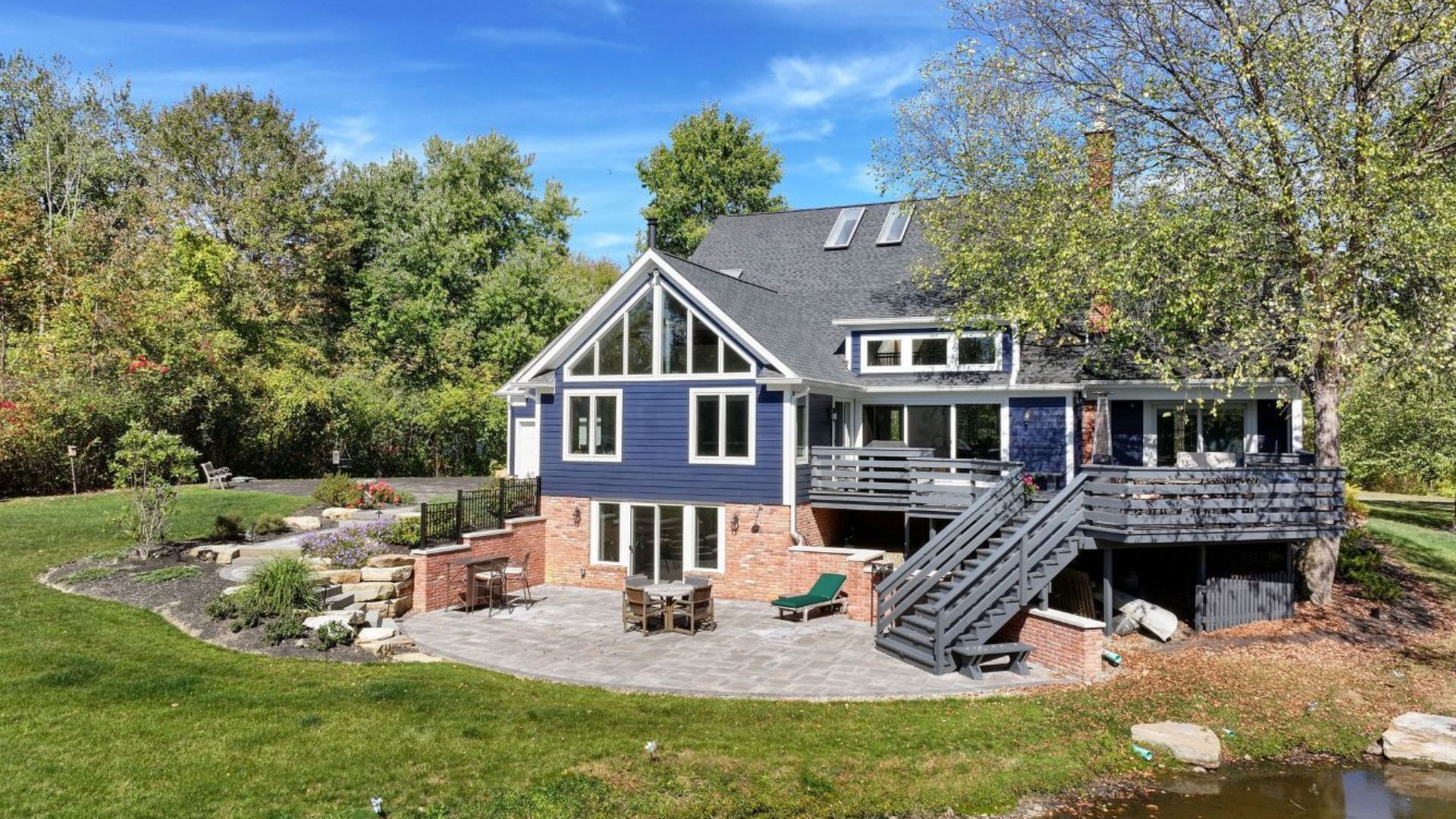
What It Means to Live in a Home During a Remodel
Living in your house during a remodel doesn’t mean life continues as normal.
Construction often brings noise, dust, limited access to rooms, and changes to daily routines. Utilities may be temporarily shut off, and certain areas of the home may be unusable for extended periods.
Understanding what “living through a remodel” actually looks like is key to deciding whether it’s the right choice.
Pros of Living in Your Home During a Remodel
For many homeowners, staying put during a remodel is appealing for practical reasons.
One major advantage is cost savings. Temporary housing, storage, and moving expenses can add up quickly, especially for long projects. Remaining in the home also allows homeowners to monitor progress closely, communicate easily with contractors, and address questions or changes in real time.
Some people also find it easier emotionally to stay connected to their home rather than relocate. This is especially the case during smaller or phased remodels.
Cons of Living in Your Home During a Remodel
Despite the benefits, living in a home during a remodel can be challenging.
Noise from demolition and construction can disrupt work, sleep, and daily routines. Dust and debris are difficult to fully contain, even with proper precautions. Access to kitchens, bathrooms, or bedrooms may be limited or inconsistent.
For families with young children, pets, or remote work requirements, the disruption can quickly become overwhelming. Extended remodels may also take a mental toll, turning everyday life into a constant adjustment.
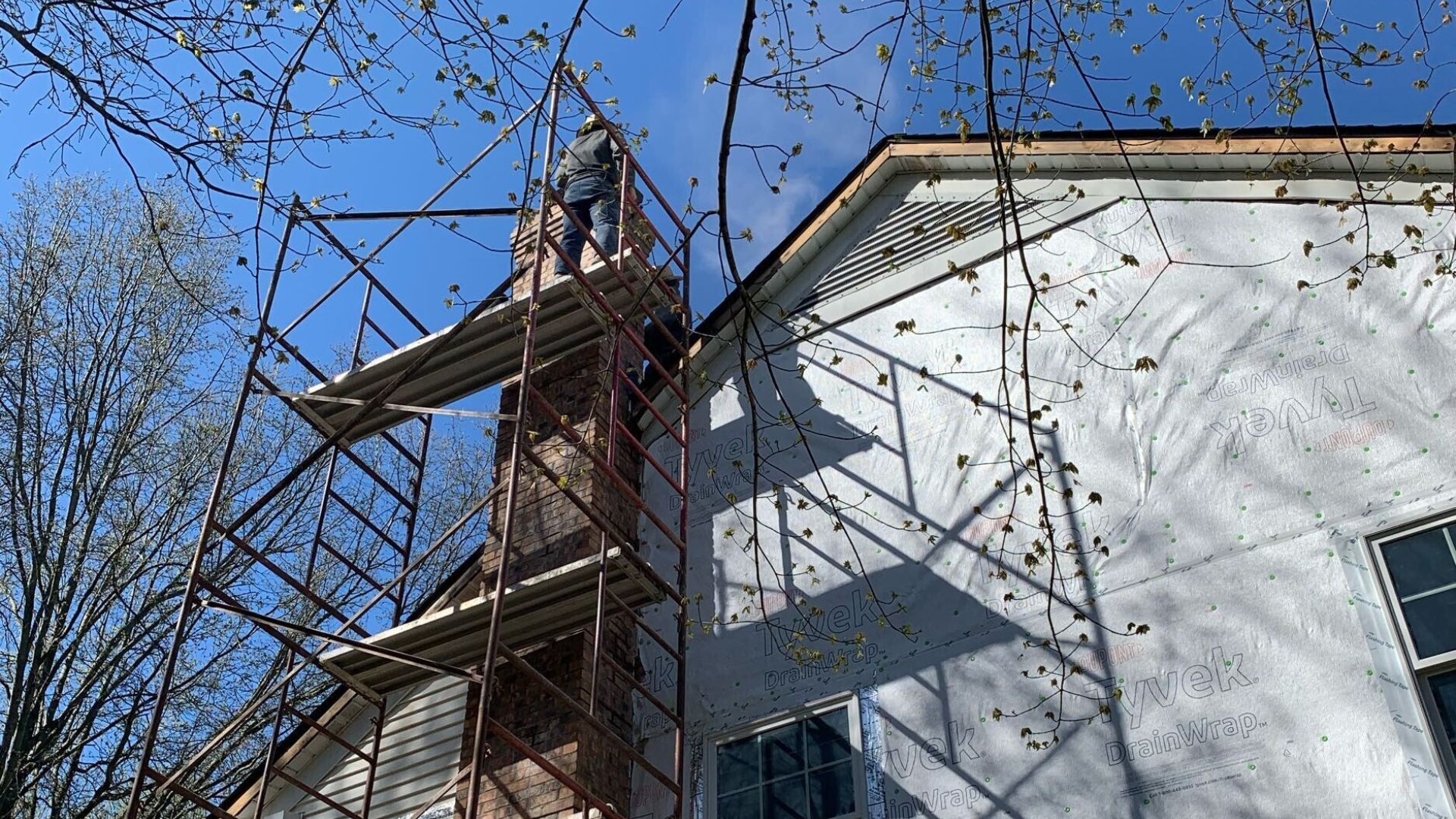
Remodel Types That Are Easier to Live Through
Not all remodels create the same level of disruption.
Projects that focus on one room at a time—such as bathroom updates, bedroom renovations, or cosmetic upgrades—are often manageable while living in the home. Remodels that leave essential spaces functional, even temporarily, are easier to navigate.
Clear phasing and communication with the contractor make these situations more workable.
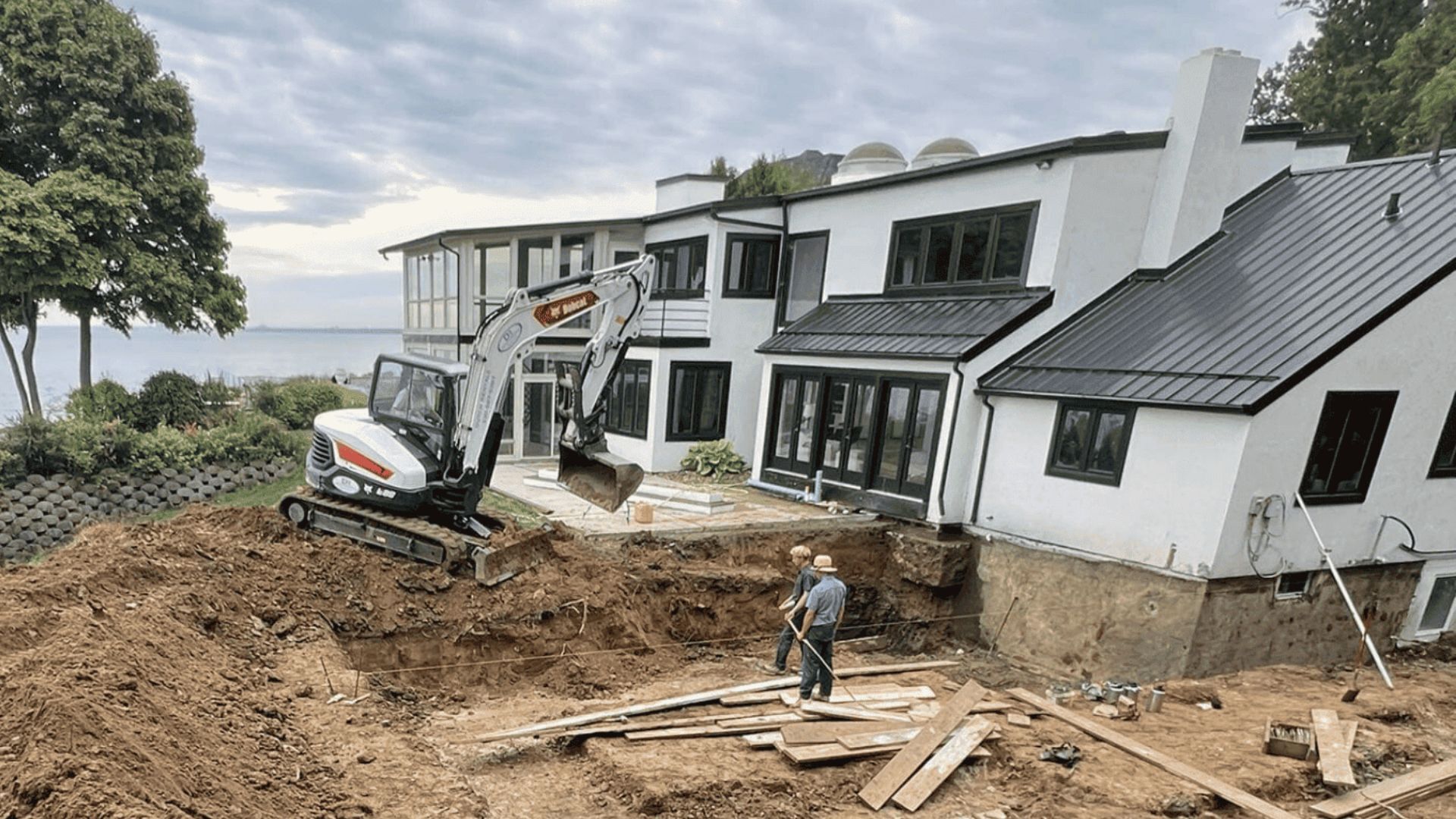
Remodels That Often Require Moving Out
Some remodels make staying in the home impractical or unsafe.
Full kitchen remodels, major structural changes, whole-home renovations, or projects involving extensive plumbing or electrical work often disrupt essential utilities. In these cases, the inconvenience of staying may outweigh the cost of temporary relocation.
Safety is also a concern when large areas are exposed or when heavy equipment is used indoors.
How Contractors Help Make Living On-Site More Manageable
Experienced contractors often plan remodels with livability in mind.
They may seal off work zones, schedule disruptive tasks during specific hours, or create temporary setups for kitchens or bathrooms. Clear communication about daily schedules and expectations helps homeowners prepare for each phase of the remodel.
Even with these measures, flexibility is required from everyone involved.
Questions to Ask Before Deciding
Before committing to living in your home during a remodel, it’s helpful to ask:
- Which rooms will be unavailable, and for how long?
- Will utilities be shut off at any point?
- How will dust and debris be controlled?
- What hours will construction take place?
- How long is the remodel expected to last?
Honest answers to these questions clarify whether staying makes sense for your situation.
Final Thoughts
Living in your home during a remodel is possible—but it isn’t always comfortable.
For smaller or well-phased projects, staying put can save money and provide peace of mind. For larger or more invasive remodels, temporary relocation may reduce stress and improve overall quality of life during construction.
The right decision balances cost, comfort, safety, and the scope of work. Understanding the realities upfront helps homeowners plan more confidently and avoid surprises along the way.