
Choosing the right home remodeling materials can feel overwhelming. With endless options, price ranges, and marketing claims, it’s easy to overspend—or worse, save money in the wrong places.
The goal isn’t to buy the most expensive materials available. It’s to choose materials that balance durability, performance, appearance, and long-term value. This guide explains how to make smart material decisions without letting costs spiral out of control.
Start With How the Space Is Actually Used
Before comparing materials, consider how each space functions day to day.
High-traffic areas like kitchens, hallways, and bathrooms need materials that can handle moisture, wear, and frequent cleaning. Guest rooms or decorative spaces may allow for more budget-friendly options without sacrificing performance.
Matching materials to real usage is one of the most effective ways to control remodeling costs.
Understand Where Quality Truly Matters
Not every material choice has the same impact on longevity.
Structural and functional components—such as flooring substrates, waterproofing, cabinetry construction, and plumbing fixtures—are areas where quality should not be compromised. These elements are difficult and expensive to replace once installed.
Finishes that are easier to update later, like paint colors or light fixtures, offer more flexibility for budget adjustments.
Compare Materials by Performance, Not Just Price
Price alone doesn’t tell the full story when evaluating home remodeling materials.
A lower-cost material that wears out quickly may cost more over time due to repairs or replacement. Mid-range materials often provide the best value by combining durability with reasonable pricing.
Looking at warranties, maintenance needs, and expected lifespan helps reveal true cost—not just upfront expense.
Balance Natural and Manufactured Materials
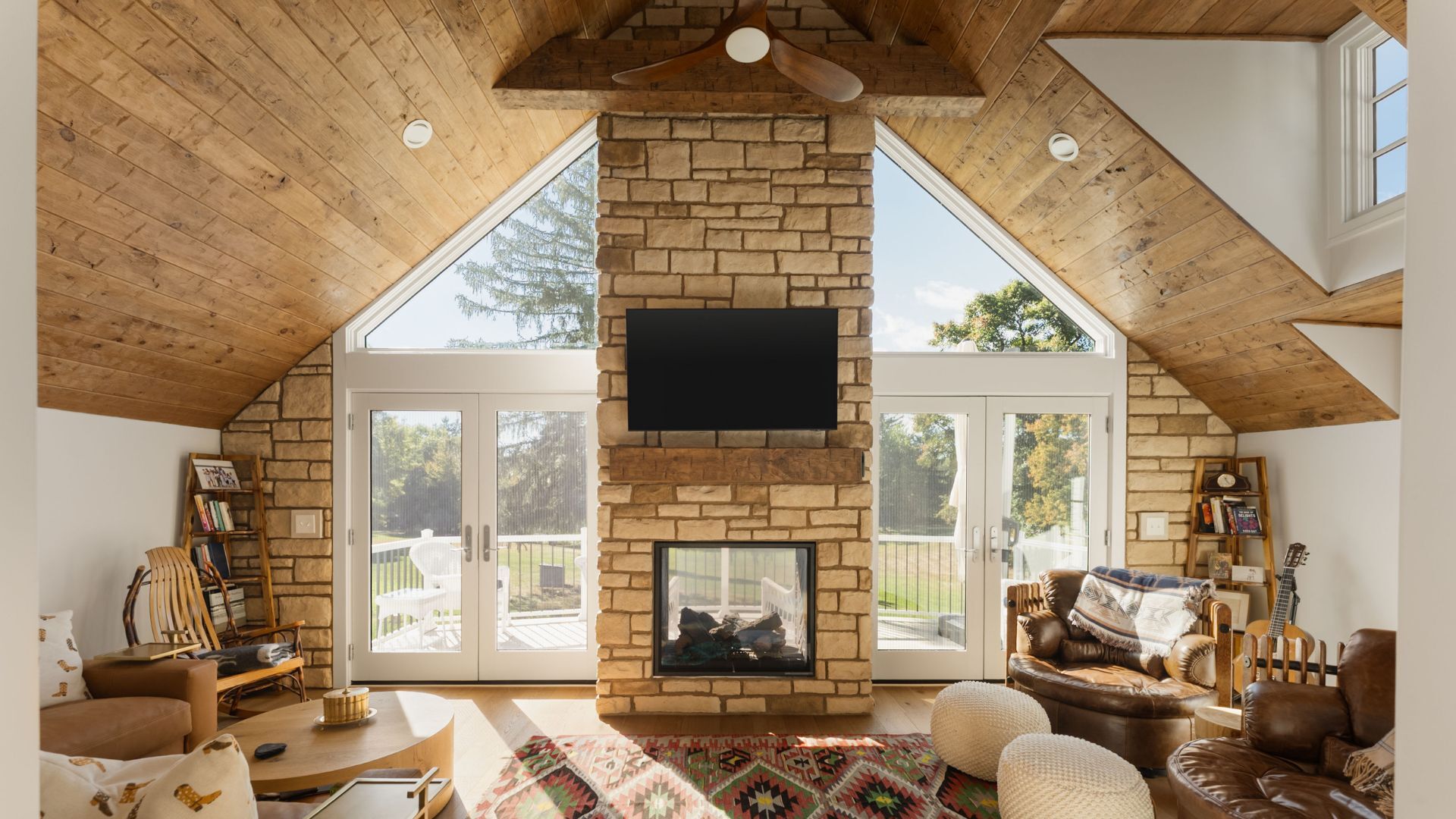
Natural materials like stone and hardwood are appealing but aren’t always necessary in every application.
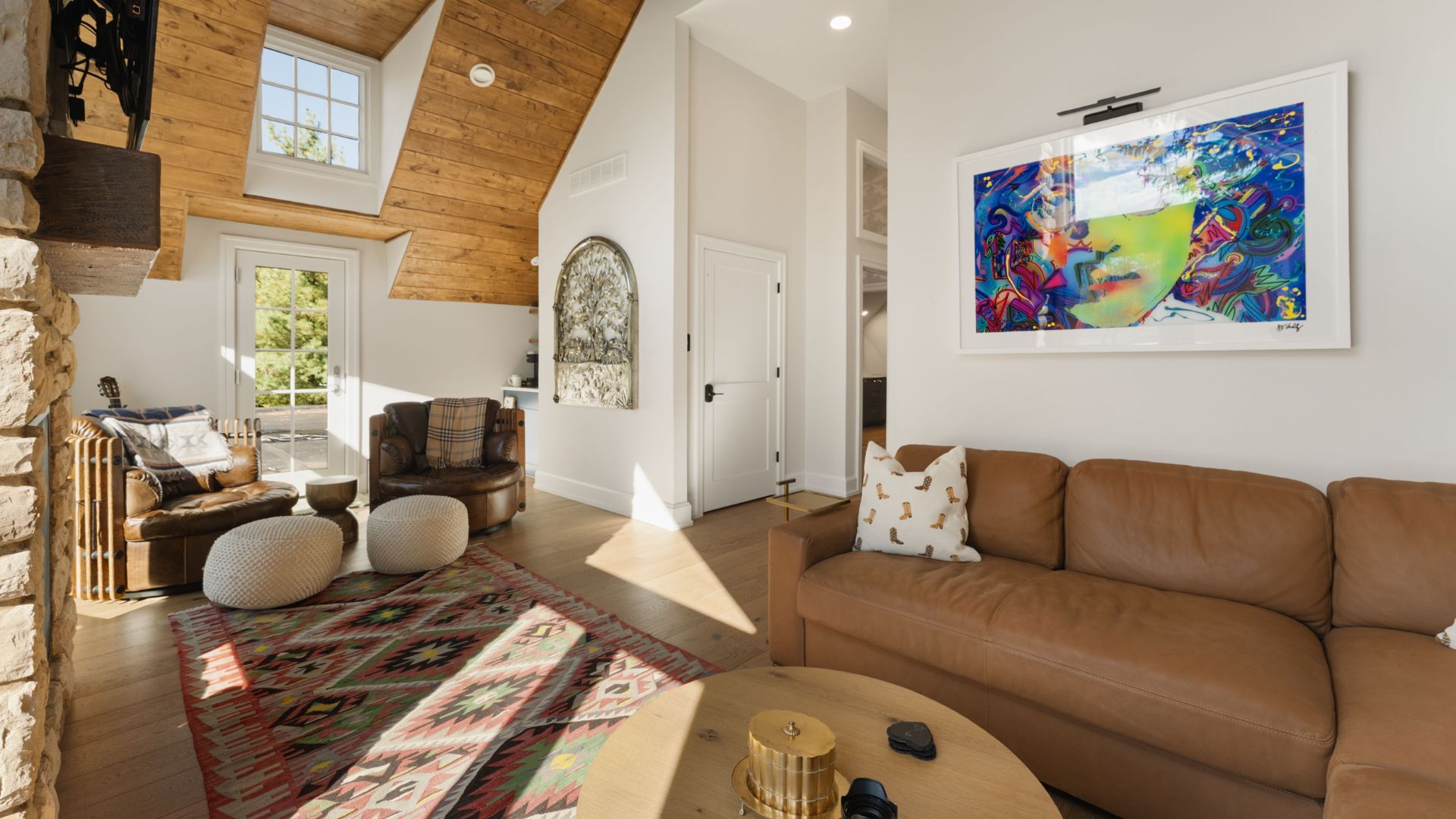
Engineered alternatives often replicate the look of natural materials while offering improved durability and lower maintenance. In many remodeling projects, mixing natural and manufactured materials delivers both visual appeal and cost efficiency.
The key is choosing materials that fit the space, not just the trend.
Avoid Over-Specifying Materials
One common budget mistake is choosing high-end materials in places where they won’t be noticed or appreciated.
Premium finishes inside closets, oversized tiles in small rooms, or luxury fixtures in low-use spaces often add cost without adding meaningful value. Being selective about where to upgrade keeps the budget focused on areas that truly benefit from higher quality.
Ask About Installation Costs Early
Material cost is only part of the equation.
Some home remodeling materials are more expensive to install due to labor complexity, specialized tools, or additional preparation requirements. A moderately priced material with high installation costs may exceed the budget of a higher-priced but simpler option.
Discussing installation requirements early prevents unexpected expenses later.
Source Materials Strategically
Where and when materials are purchased can affect pricing.
Local suppliers, discontinued lines, bulk purchases, or seasonal promotions can significantly reduce costs without lowering quality. Contractors often have access to trade pricing or preferred vendors, which can further stretch the budget.
Planning material selection early allows time to explore these opportunities.
Focus on Long-Term Value, Not Short-Term Trends
Trendy materials can be appealing, but they may age quickly.
Choosing classic colors, neutral finishes, and timeless textures helps ensure that remodeling materials remain attractive for years. This approach reduces the likelihood of future updates driven purely by changing styles.
Longevity is a key factor in getting real value from a remodel.

Final Thoughts
Choosing the right home remodeling materials isn’t about cutting corners—it’s about making informed decisions. By focusing on performance, durability, and appropriate placement, homeowners can achieve high-quality results without overspending.
Smart material choices support both the look and function of a remodel, delivering lasting value long after the project is complete.