
Home remodeling projects often start with excitement—and then quickly run into an unexpected question: Do I need a permit for this? Understanding remodeling permits is one of the most important (and misunderstood) parts of home improvement planning.
Permits aren’t just paperwork. They exist to ensure safety, code compliance, and proper documentation of changes made to a property. Knowing when permits are required—and when they aren’t—can save homeowners from costly delays, fines, or problems when selling later.
This guide explains how remodeling permits work and how to determine whether your project requires one.
What Is a Remodeling Permit?
A remodeling permit is official approval from a local building authority that allows construction or renovation work to proceed legally.
Permits trigger inspections at key stages of a project. This helps ensure that the work meets building codes related to safety, structure, plumbing, electrical systems, and zoning regulations. Once approved and completed, permitted work becomes part of the property’s official record.
Why Remodeling Permits Exist
Permits are often seen as obstacles, but their purpose is protection—not bureaucracy.
They help:
- Ensure work is structurally safe
- Verify compliance with local building codes
- Protect future homeowners
- Reduce liability for contractors and owners
Unpermitted work can compromise safety and create serious issues during insurance claims or property sales.
Remodeling Projects That Typically Require Permits
While rules vary by location, permits are generally required when a remodel affects a home’s structure, systems, or safety.
Projects that often require remodeling permits include structural changes such as:
- Removing or altering load-bearing walls
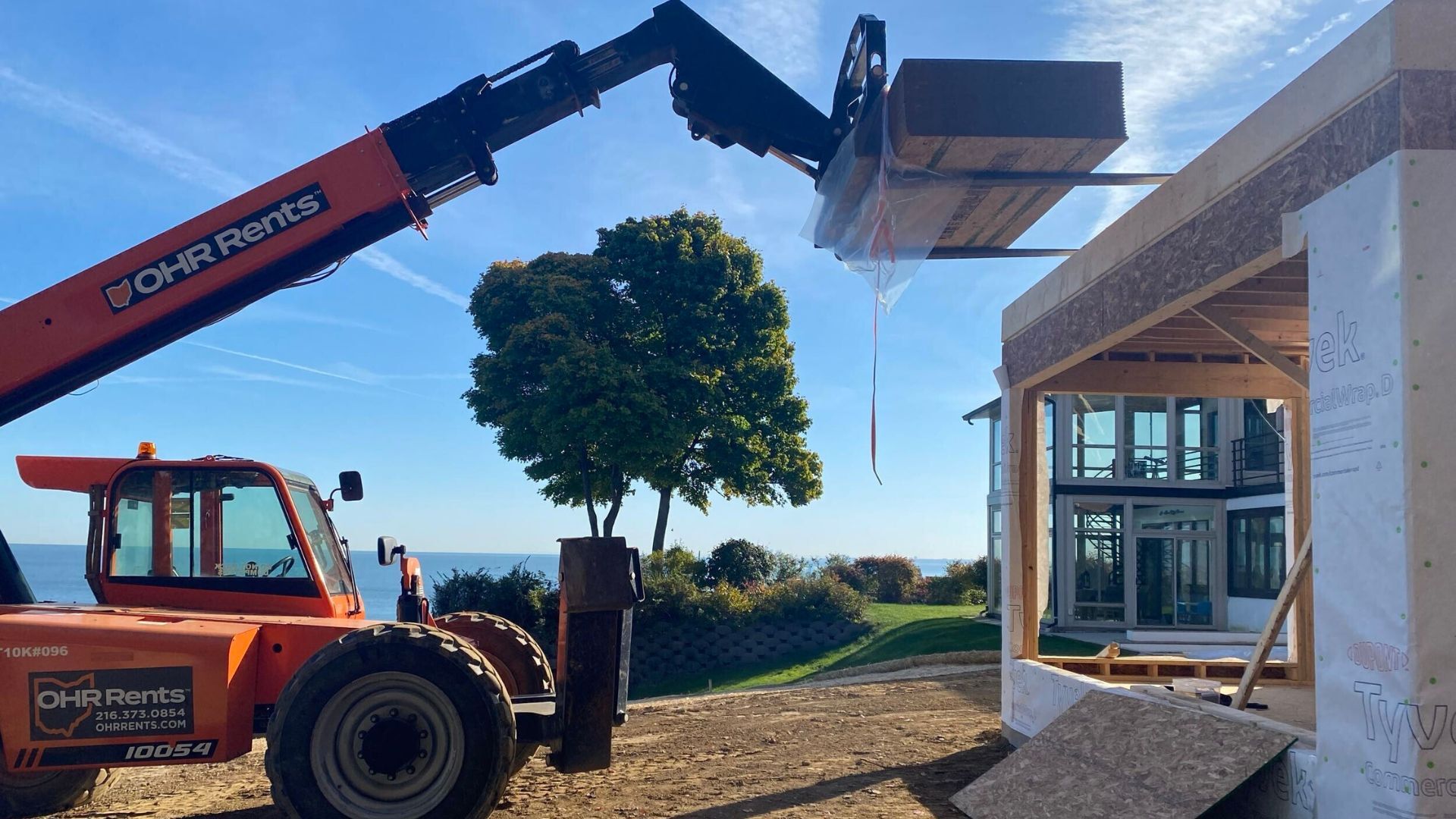
- Additions that change the home’s footprint
- Work involving electrical wiring, plumbing, or HVAC systems
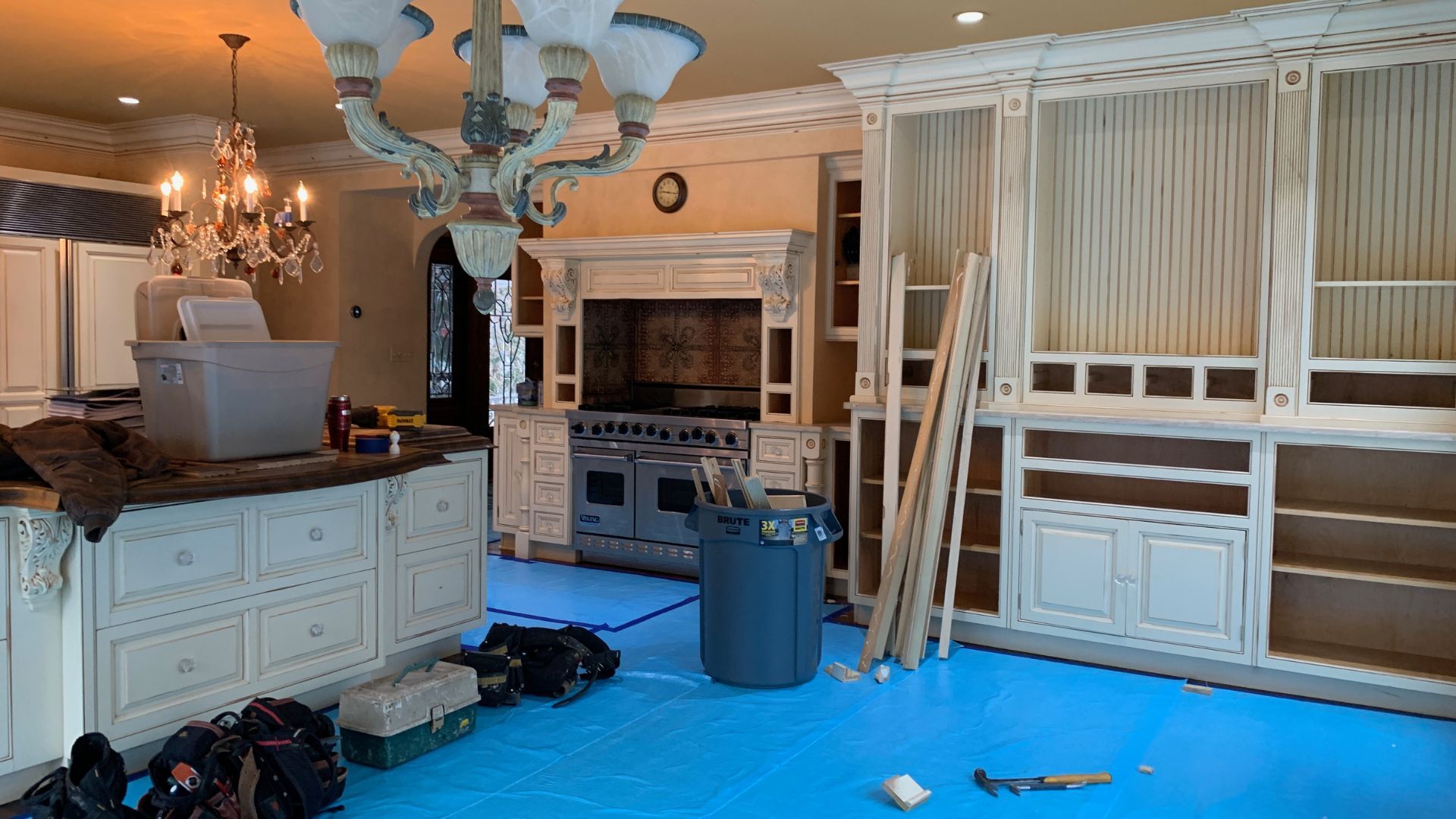
Major renovations like full kitchen or bathroom remodels also often require permits because they involve multiple regulated systems.
Any project that changes how a space is used—like converting a garage into a living area—usually requires approval as well.
Projects That Often Don’t Require Permits
Not every home improvement requires a permit.
Cosmetic updates such as painting, flooring replacement, cabinet installation, and minor repairs typically don’t need approval. This is because these changes don’t affect structural or mechanical systems. Replacing fixtures without changing plumbing or wiring locations is also often exempt.
However, “no permit required” doesn’t mean “no rules apply.” Work must still meet local codes even when permits aren’t mandated.
How Permit Requirements Vary by Location
One of the most important things to understand about remodeling permits is that requirements are local.
Building codes, zoning rules, and permit thresholds vary by city, county, and state. What requires a permit in one area may not in another. Historic districts, coastal zones, and multi-unit properties often have additional layers of regulation.
Because of this variability, checking with the local building department is always the safest approach.
What Happens If You Skip a Required Permit?
Skipping a required remodeling permit can create problems long after the renovation is complete.
Homeowners may face fines, forced removal of completed work, or delays when selling the property. In some cases, insurance claims can be denied if damage is linked to unpermitted work. Buyers and inspectors often flag missing permits during real estate transactions, leading to renegotiations or stalled sales.
Permits may seem inconvenient upfront, but they often prevent much larger complications later.
How Contractors Handle Permits
In many remodeling projects, licensed contractors are responsible for pulling permits and scheduling inspections. However, homeowners should never assume this is automatic.
Before work begins, it’s important to clarify who is responsible for permits and ensure they are properly obtained. Homeowners remain accountable for unpermitted work on their property—even if a contractor fails to disclose requirements.
How to Determine If Your Project Needs a Permit
When in doubt, ask before starting.
Contacting the local building department, reviewing municipal guidelines, or consulting a licensed contractor can quickly clarify permit requirements. Many jurisdictions provide online permit checklists or consultation services to help homeowners understand the process.
Asking early helps avoid delays, redesigns, or compliance issues mid-project.

Final Thoughts
Understanding remodeling permits is a critical part of responsible home renovation. While not every project requires approval, many structural or system-related changes do—and skipping permits can lead to serious consequences.
Taking the time to confirm requirements before starting a remodel protects your investment, ensures safety, and provides peace of mind.