
A historic home renovation is unlike any other renovation project. These homes carry architectural details, craftsmanship, and character that modern construction often can’t replicate. The challenge for homeowners is finding ways to update comfort, safety, and functionality—without stripping away the charm that makes the home special.
When approached thoughtfully, renovating a historic home doesn’t mean choosing between old and new. It means allowing modern improvements to quietly support the original design, rather than overpower it. This guide explores how homeowners can update historic properties while preserving their unique identity.
Start With an Understanding of the Home’s History
Before making any changes, it’s important to understand what makes the home historically significant.
Architectural style, original materials, and period details all influence how a renovation should be approached. Some features may be protected by local preservation guidelines, while others simply contribute to the home’s character and long-term value.
Successful historic home renovation begins with respect—learning which elements should be preserved, repaired, or carefully restored rather than replaced.
Preserve Original Features Whenever Possible
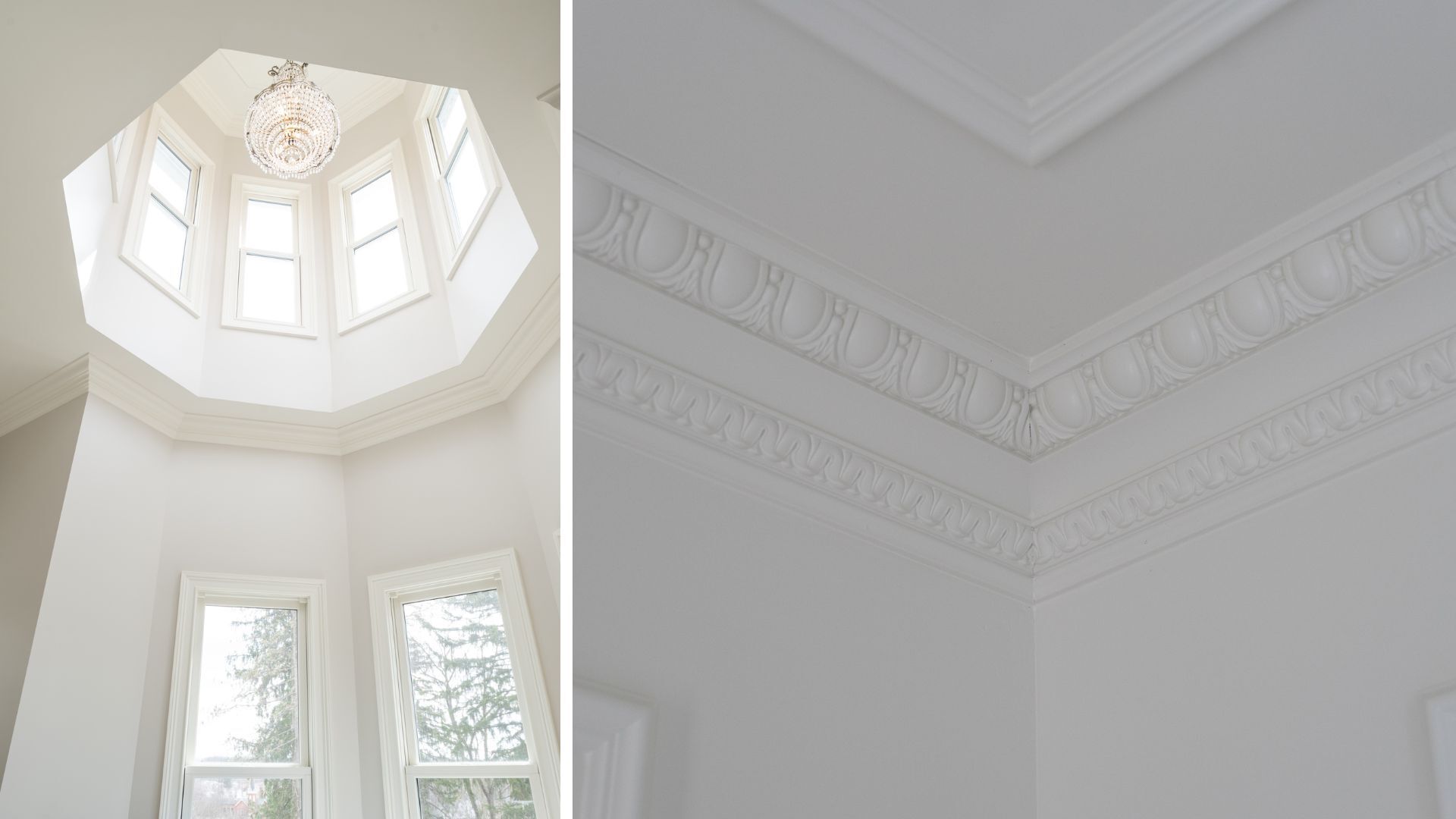
Original details are the soul of a historic home.
Elements such as hardwood floors, trim work, doors, windows, fireplaces, and staircases often define the home’s character. Rather than removing them, restoration is usually the better option. Repairing original materials not only maintains authenticity but often results in higher-quality finishes than modern replacements.
Preservation doesn’t mean perfection—minor imperfections often add to the home’s story and appeal.
Modernize Systems Without Changing the Look
One of the most important goals of historic home renovation is updating what you don’t see.
Electrical wiring, plumbing, insulation, and HVAC systems can be modernized behind walls, under floors, or within existing chases. These upgrades improve safety, comfort, and energy efficiency while leaving visible architectural details untouched.
Careful planning ensures modern systems enhance livability without disrupting the original design.
Blend Old and New in Kitchens and Bathrooms
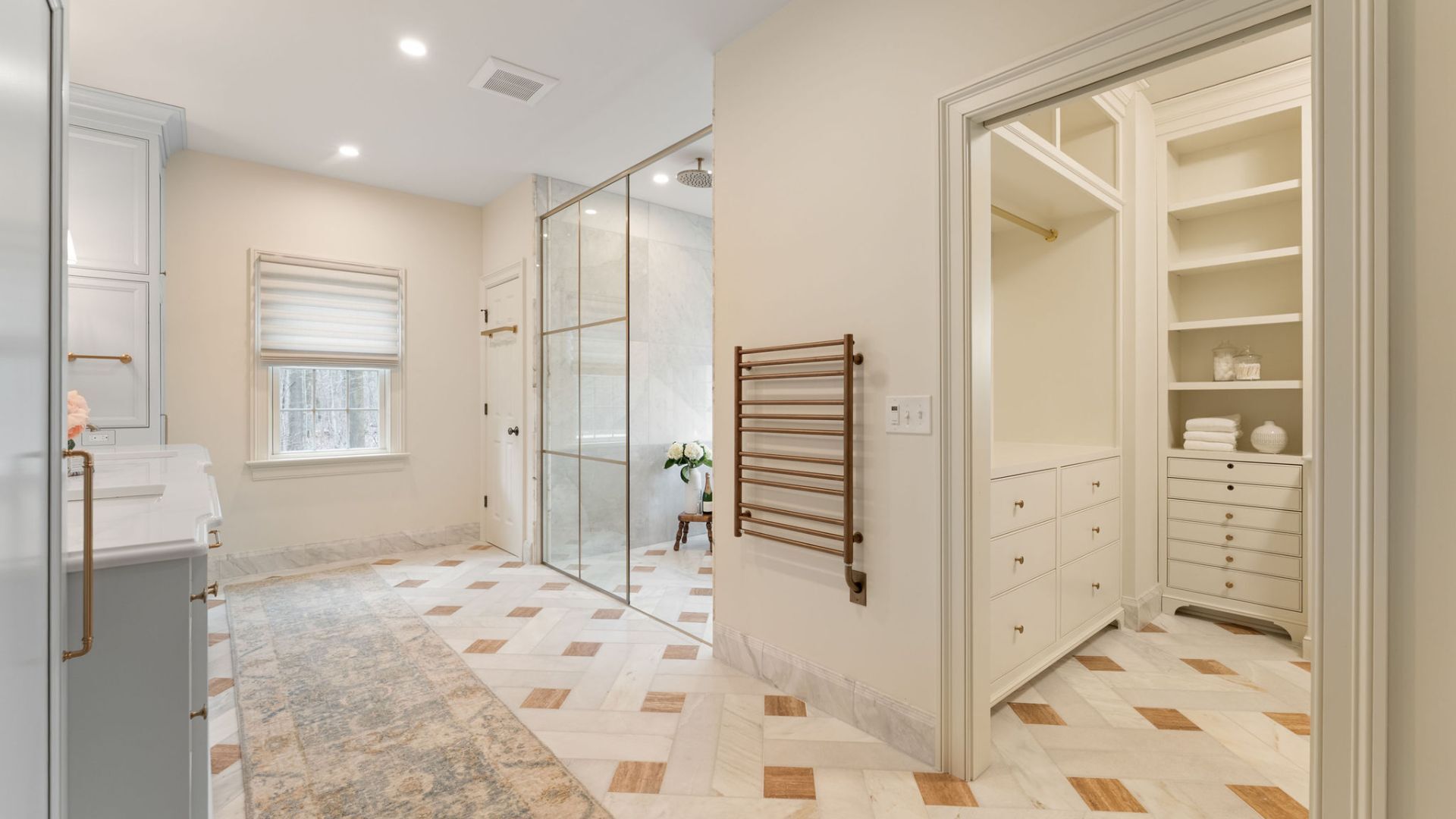
Kitchens and bathrooms often require the most updates, but they also offer opportunities to balance historic charm with modern function.
Rather than forcing ultra-modern designs, renovations that respect scale, materials, and layout tend to feel more natural. Cabinet styles, hardware finishes, and tile choices can reference the home’s era while still supporting modern appliances and fixtures.
A well-designed historic kitchen or bathroom feels timeless—not trendy.
Use Period-Appropriate Materials and Finishes
Material choices play a major role in preserving authenticity.
Wood, stone, brick, and traditional plaster finishes often complement historic interiors better than synthetic alternatives. When modern materials are necessary, selecting finishes that visually align with the home’s era helps maintain cohesion.
Consistency across rooms is key to avoiding a disjointed look.
Improve Energy Efficiency Thoughtfully
Energy efficiency is a common concern in historic homes, but aggressive upgrades can sometimes cause more harm than good.
Instead of replacing original windows, homeowners often benefit from repairs, weather stripping, or storm windows. Insulation improvements should be carefully planned to avoid moisture issues that can damage older structures.
A thoughtful historic home renovation improves efficiency while protecting the building’s integrity.
Respect the Home’s Original Layout
While open-concept living is popular, historic homes often benefit from their original room divisions.
These layouts were designed for proportion, privacy, and flow. Rather than removing walls, renovations can focus on improving circulation through wider doorways, improved lighting, or better room connections—preserving the home’s rhythm while enhancing functionality.
Work With Professionals Experienced in Historic Homes
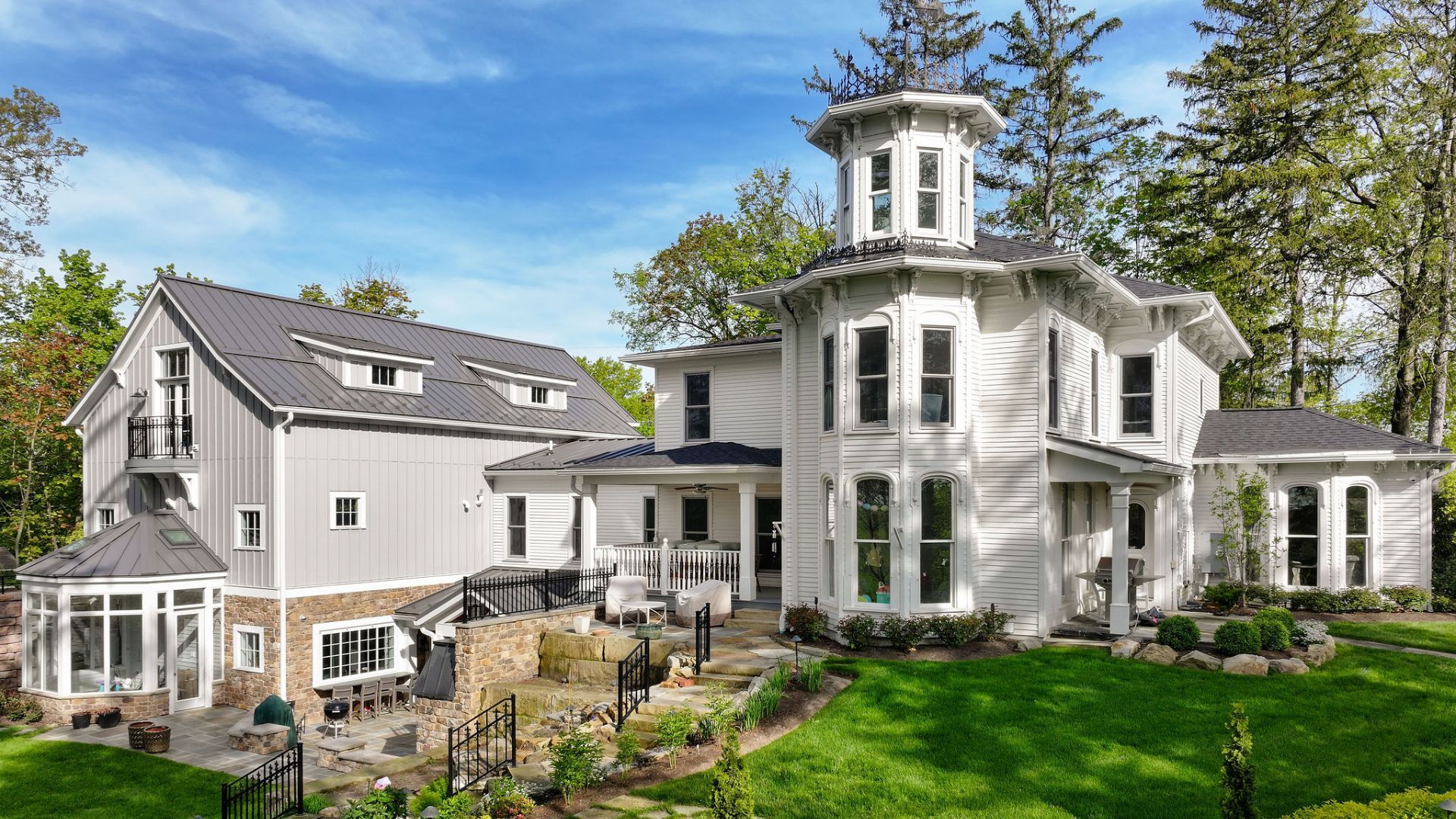
Historic renovation requires specialized knowledge.
Contractors, designers, and architects experienced with older homes understand how materials behave, how to meet modern codes without compromising structure, and how to preserve details that less experienced teams might overlook.
The right expertise can prevent costly mistakes and ensure the renovation honors the home’s character.
Final Thoughts
A successful historic home renovation isn’t about turning an old house into a new one. It’s about allowing modern living to coexist with timeless design. By preserving original features, upgrading systems discreetly, and choosing materials that respect the home’s era, homeowners can enjoy comfort and functionality without losing charm.