
Today’s homes are designed around how people actually live. The most influential home design trends for modern kitchens and living spaces focus on comfort, flexibility, and long-term usability.
Today, most kitchens and living rooms are no longer treated as separate rooms. They function as connected spaces that support work, family time, and entertaining.
Keep reading to explore current home design trends shaping modern kitchens and living areas that feel cohesive, functional, and timeless.
Open Layouts With Purposeful Definition
Open-concept layouts continue to dominate modern home design, but they’ve evolved. Rather than wide-open spaces with little structure, current home design trends emphasize subtle separation.
Designers use changes in flooring, ceiling treatments, cabinetry finishes, or lighting to define kitchen and living zones without walls. This approach maintains openness while improving organization, flow, and usability.
Warm Minimalism Takes Center Stage
One of the strongest home design trends is the shift away from cold, overly sleek interiors toward warm minimalism.
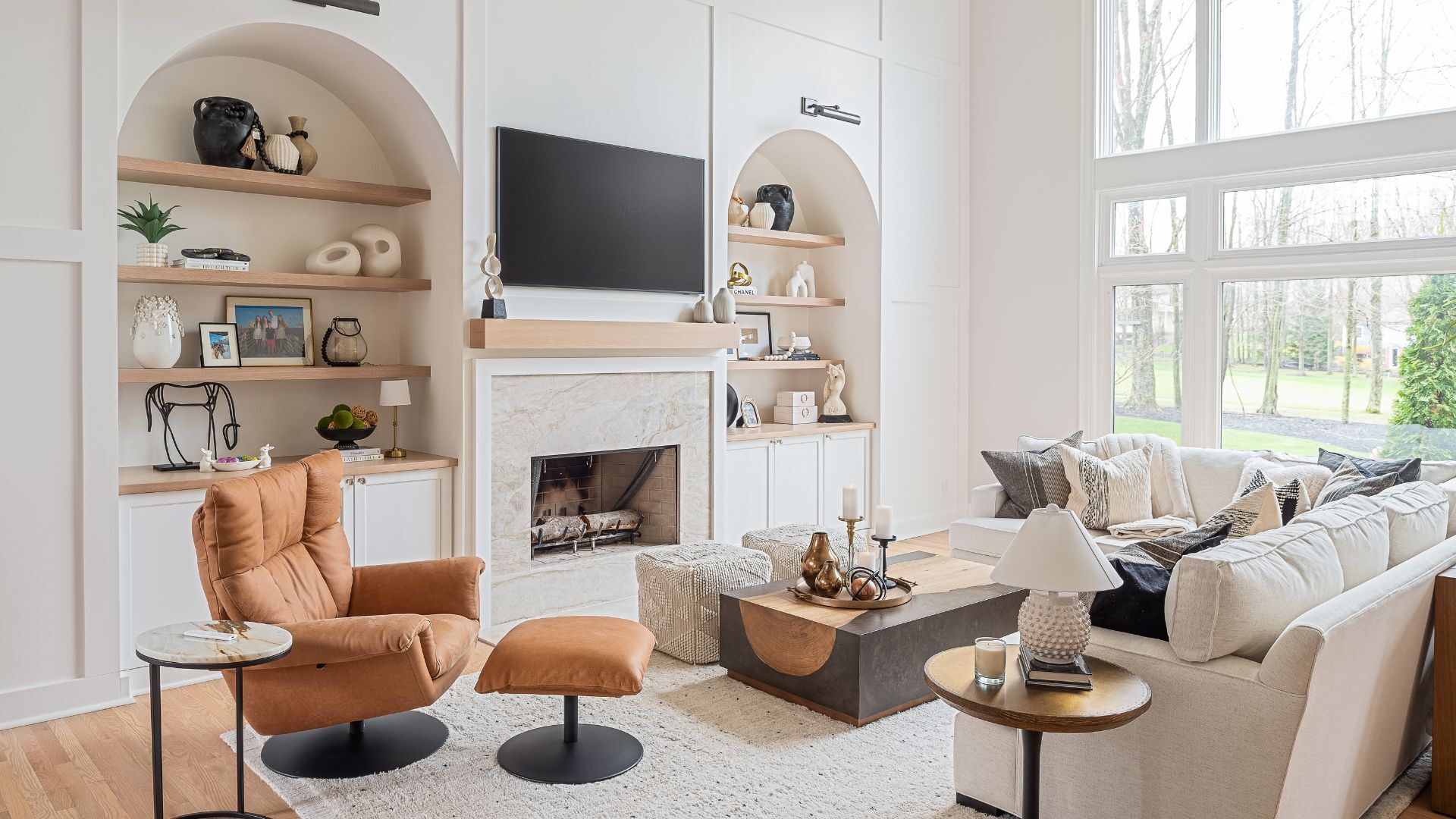
Clean lines remain essential, but they’re softened with natural materials such as wood, stone, and textured fabrics. Neutral color palettes—soft whites, warm grays, and earth tones—create calm, inviting environments that feel modern without being sterile.
Kitchens as Integrated Living Spaces
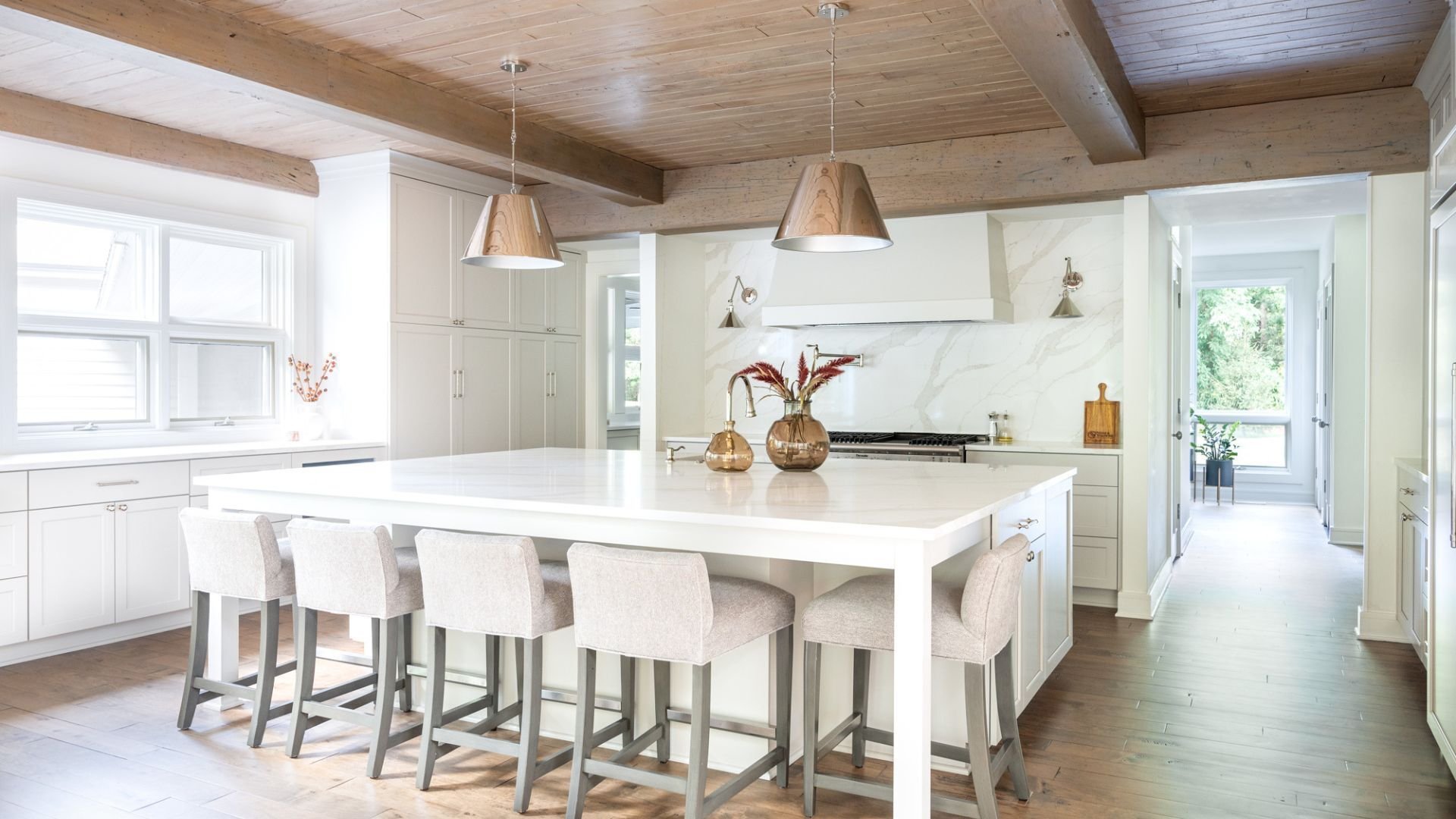
Modern kitchens are no longer purely functional rooms. They’ve become central gathering spaces within the home.
Large islands, integrated seating, and concealed storage allow kitchens to blend seamlessly into living areas. Appliances are often built into cabinetry to reduce visual clutter, while lighting is layered to support cooking and social interaction.
This integration is a defining feature of today’s home design trends.
Subtle Smart Technology Integration
Technology plays a growing role in modern homes, but current home design trends favor subtle integration over visible gadgets.
Smart lighting, climate control, and appliances are designed to blend into cabinetry and wall systems. The goal is convenience and efficiency without disrupting the visual calm of the space.
Technology supports the lifestyle, rather than becoming the focal point.
Flexible Living Spaces for Everyday Use
As lifestyles change, living spaces are expected to adapt. One of the most practical home design trends is flexibility.
Living rooms are designed to support multiple functions—relaxation, work, and entertainment—without constant rearranging. Modular furniture, built-in storage, and adaptable layouts allow spaces to shift throughout the day while maintaining a cohesive look.
Statement Lighting With Functional Purpose
Lighting has also become a defining design element in modern kitchens and living spaces.
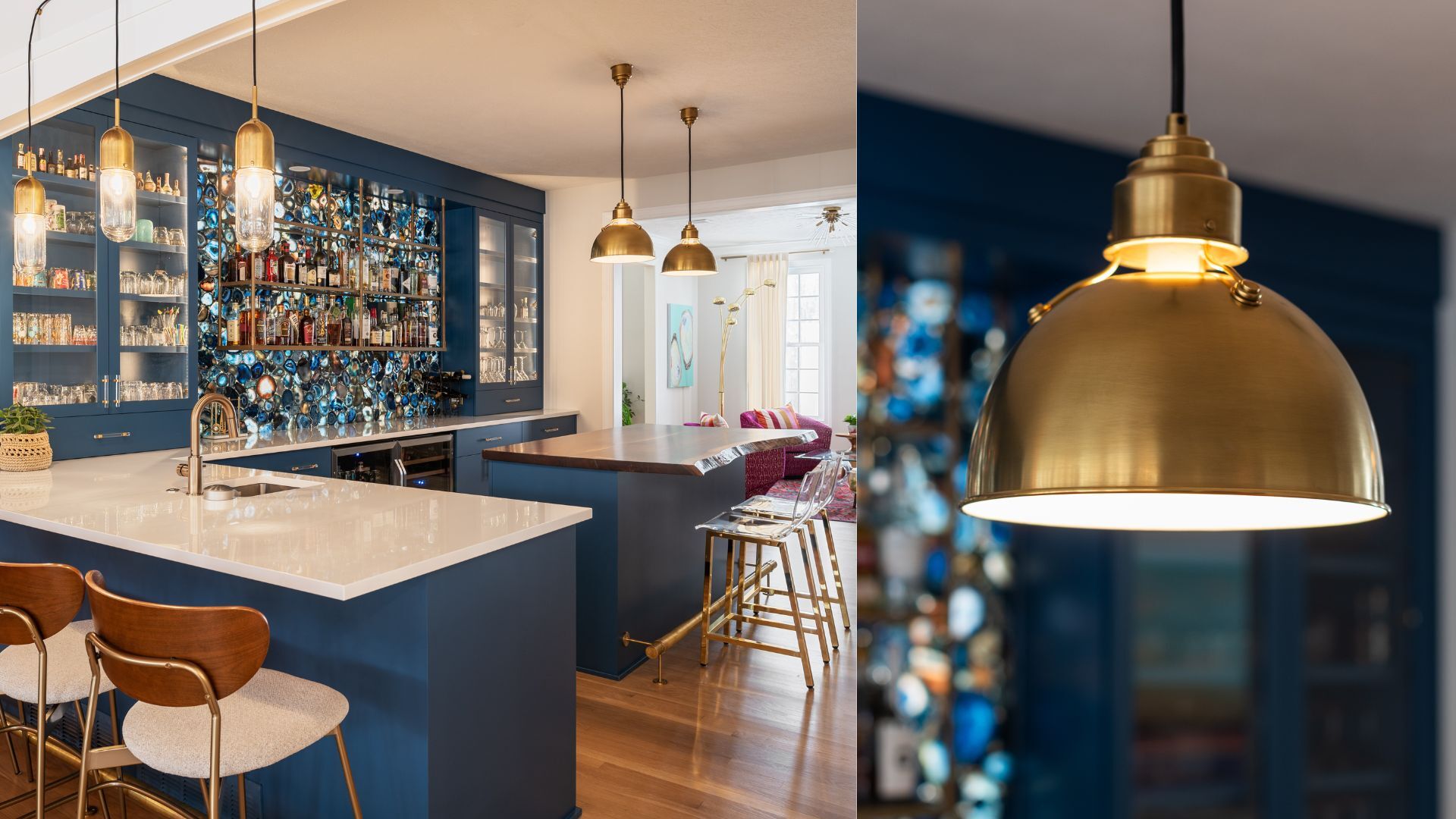
Rather than relying on a single overhead fixture, layered lighting is used to create depth and comfort. Pendant lights over kitchen islands, recessed lighting for task areas, and accent lighting in living spaces add style and functionality.
Lighting is no longer an afterthought—it anchors the overall design
Seamless Indoor-Outdoor Transitions
Modern home design trends increasingly blur the line between indoor and outdoor living.
Large sliding doors, consistent flooring materials, and aligned sightlines create smooth transitions to patios or gardens. This approach enhances natural light, improves ventilation, and makes living spaces feel larger and more connected to their surroundings.
Sustainable and Durable Material Choices
Sustainability has also become a core consideration in home design.
Rather than short-term trends, homeowners are choosing durable surfaces, energy-efficient appliances, and responsibly sourced materials. The emphasis is on longevity—design choices that age well and reduce the need for frequent renovation.
Final Thoughts
The most enduring home design trends for modern kitchens and living spaces prioritize livability, flexibility, and timeless appeal. Open yet defined layouts, warm minimalism, integrated kitchens, and subtle technology create homes that feel both contemporary and comfortable.
By focusing on how spaces function, modern design trends create environments that adapt to changing needs while remaining visually inviting.