
A sustainable home renovation focuses on creating a healthier, more efficient home while reducing environmental impact. Instead of short-term design trends, sustainable renovations prioritize long-term performance, responsible material choices, and energy efficiency that benefits both homeowners and the planet.
Whether you’re planning a full remodel or gradual upgrades, eco-friendly renovation choices can improve comfort and lower utility costs. It can also extend the life of your home. This guide explores smart, sustainable upgrades that balance environmental responsibility with everyday livability.
Start With Energy Efficiency Improvements
Energy efficiency is often the foundation of a sustainable home renovation.
Upgrading insulation, sealing air leaks, and improving windows and doors can significantly reduce energy loss. These improvements help maintain consistent indoor temperatures, reduce heating and cooling demands, and improve overall comfort throughout the year.
Addressing efficiency first ensures that other upgrades deliver maximum long-term benefit.
Choose Sustainable and Durable Materials
Material selection plays a major role in eco-friendly renovations.
Sustainable home renovation projects often use materials that are responsibly sourced, recycled, or renewable. Durable materials such as natural stone, certified wood, and recycled-content products reduce the need for frequent replacement, minimizing waste over time.
Low-VOC paints, adhesives, and finishes also improve indoor air quality, creating healthier living spaces.
Upgrade to Energy-Efficient Systems and Appliances
Modern systems can dramatically reduce a home’s environmental footprint.
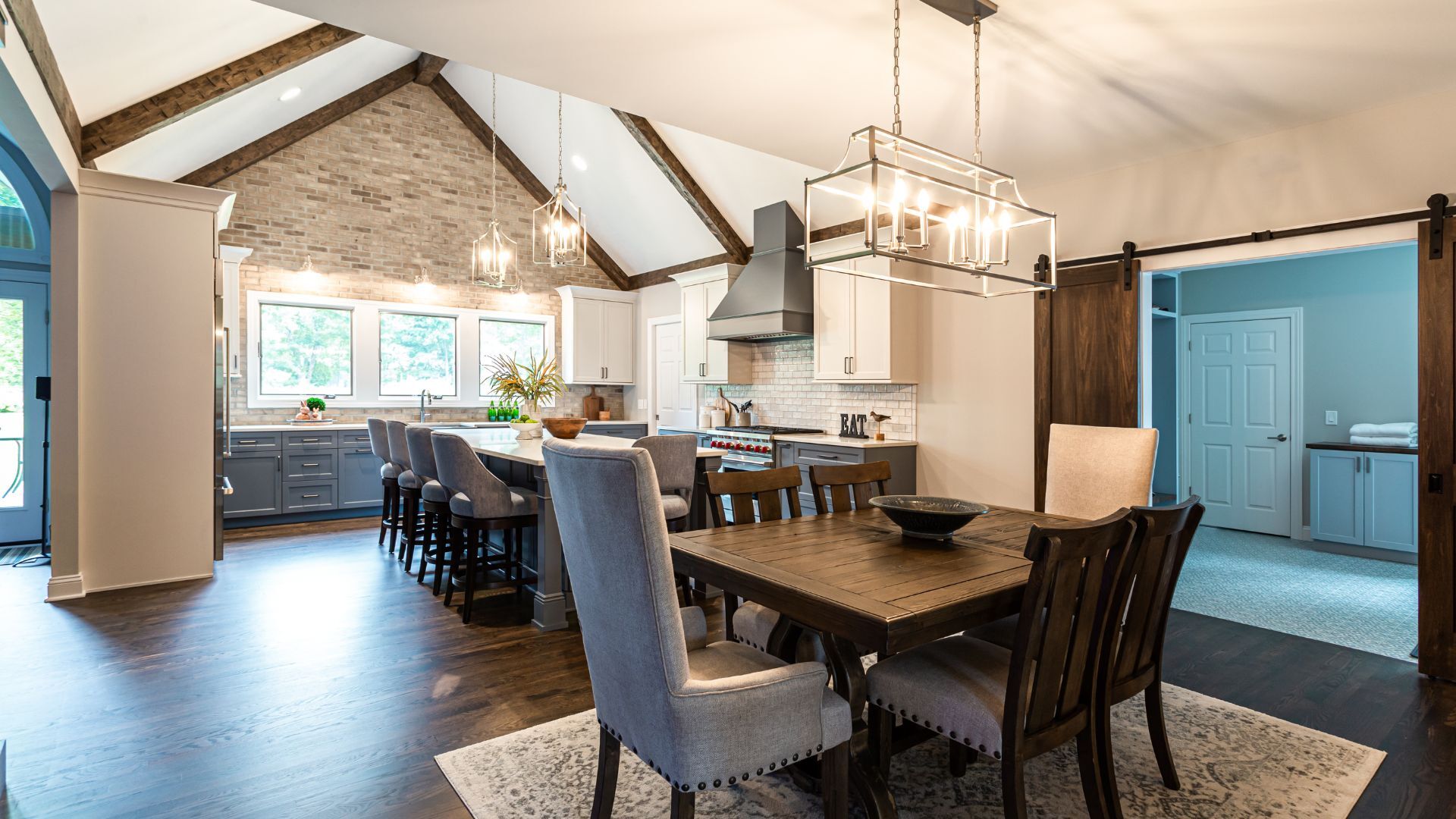
High-efficiency HVAC systems, water heaters, and appliances use less energy while delivering better performance. Smart thermostats and energy-monitoring tools further optimize usage by adjusting systems based on actual household needs.
These upgrades are central to a sustainable home renovation strategy that balances performance and efficiency.
Improve Water Efficiency Throughout the Home
Water conservation is an important but often overlooked aspect of sustainability.
Low-flow fixtures, efficient toilets, and water-saving appliances reduce water consumption without sacrificing comfort. In some renovations, rainwater collection or greywater systems can support outdoor irrigation and reduce reliance on municipal water supplies.
Thoughtful water management contributes to long-term sustainability and lower utility costs.
Design for Longevity Rather Than Trends
Sustainability is not only about materials—it’s also about design choices that stand the test of time.
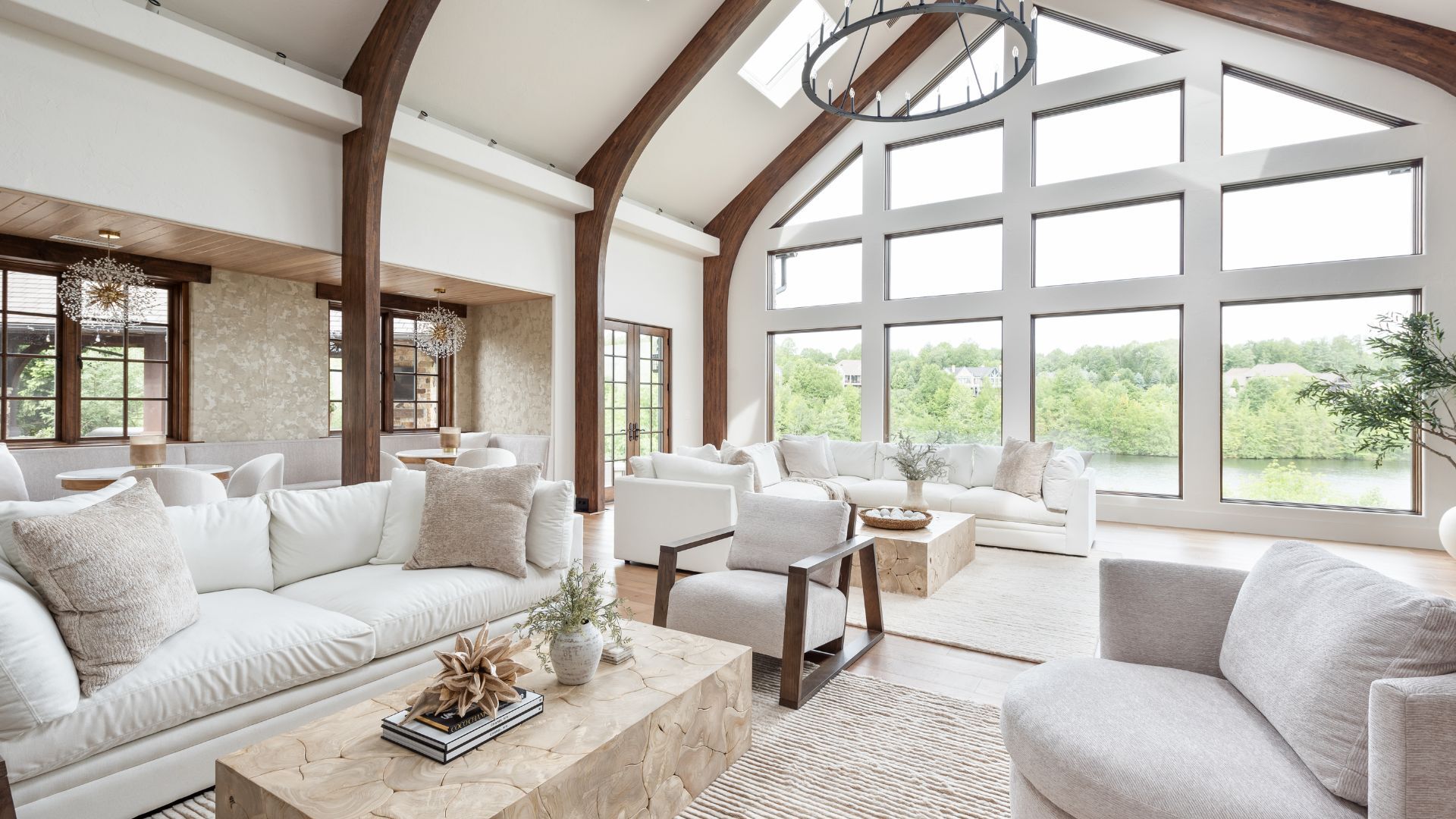
Timeless layouts, neutral palettes, and flexible spaces reduce the likelihood of future renovations driven by changing trends. Renovating with adaptability in mind allows homes to evolve without major structural changes, conserving resources over the long term.
A sustainable home renovation favors durability and versatility over fast-changing aesthetics.
Maximize Natural Light and Passive Design
Using natural resources efficiently is a key principle of sustainable renovation.
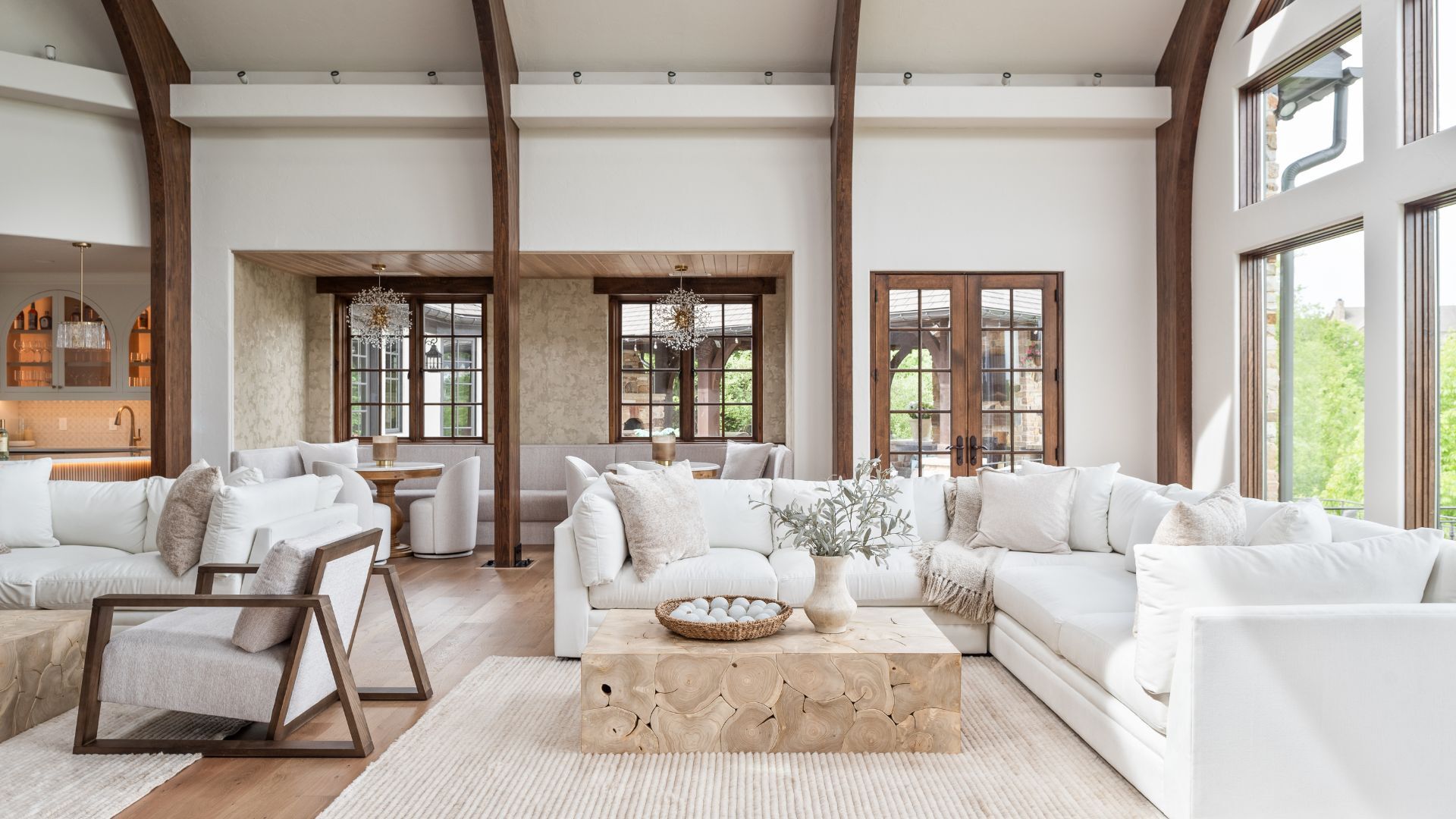
Strategically placed windows, skylights, and open layouts increase natural light, reducing the need for artificial lighting during the day. Proper shading, window orientation, and ventilation also support passive heating and cooling, lowering energy demands naturally.
These design choices enhance comfort while minimizing environmental impact.
Consider Renewable Energy Options
For homeowners ready to take sustainability further, renewable energy can be integrated into renovation plans.
Solar panels, energy storage systems, or solar water heaters reduce dependence on fossil fuels and support long-term energy independence. When paired with efficiency upgrades, renewable systems become even more effective.
Final Thoughts
A successful sustainable home renovation combines smart planning, efficient systems, and responsible material choices. By focusing on energy efficiency, water conservation, durability, and long-term usability, homeowners can create spaces that are comfortable, cost-effective, and environmentally responsible.
Sustainable renovations aren't about sacrificing style or comfort—they’re about making thoughtful choices that benefit both the home and the world around it.