
A kitchen remodel is one of the most impactful upgrades you can make to your home—but it’s also one of the most complex when it comes to budgeting. Homeowners often ask the same question at the start of the process: What is the real kitchen remodel cost, and how much should I expect to spend?
The answer depends on far more than cabinet style or appliance choices. Kitchen remodel cost is influenced by layout changes, labor, materials, and the condition of your existing home. Understanding how these factors work together helps you set realistic expectations and avoid costly surprises once construction begins.
This guide breaks down what goes into kitchen remodel cost, typical price ranges, and how to plan a budget that aligns with both your vision and your finances.
Why Kitchen Remodel Cost Varies So Widely
No two kitchens are exactly the same, which is why kitchen remodel cost can range dramatically from one project to the next. A minor refresh that keeps the existing layout intact costs far less than a full renovation that reconfigures walls, plumbing, and electrical systems.
Older homes often add complexity. Once walls are opened, outdated wiring, plumbing, or structural issues may need to be addressed to meet current codes. These behind-the-scenes updates are essential, but they increase total kitchen remodel cost even though they aren’t always visible in the final result.
Design choices also play a major role. Custom cabinetry, premium countertops, and high-end appliances can significantly raise the budget, while more standard selections help control costs without sacrificing quality.

Average Kitchen Remodel Cost Ranges
While exact numbers vary by region and project scope, kitchen remodel cost generally falls into three broad categories.
A minor kitchen remodel typically focuses on cosmetic updates. This may include repainting or refacing cabinets, replacing countertops, upgrading fixtures, and installing new appliances without changing the layout. These projects are usually the lowest-cost option and are ideal for homeowners who want a refreshed look without major disruption.
A mid-range kitchen remodel often includes new cabinetry, countertops, flooring, lighting, and appliance upgrades, while keeping the existing footprint largely intact. This is the most common category for homeowners seeking both aesthetic improvement and functional upgrades.
A major or high-end kitchen remodel involves layout changes, custom cabinetry, premium materials, structural modifications, and possibly expanding the kitchen’s footprint. These projects represent the highest kitchen remodel cost but also deliver the most dramatic transformation.
Understanding which category your project falls into is the first step toward realistic budgeting.
What Drives Kitchen Remodel Cost the Most
Several key components consistently have the biggest impact on kitchen remodel cost.
Cabinetry is often the largest single expense. Stock cabinets are more affordable, while semi-custom and custom cabinetry increase cost but allow for better use of space and personalized design.
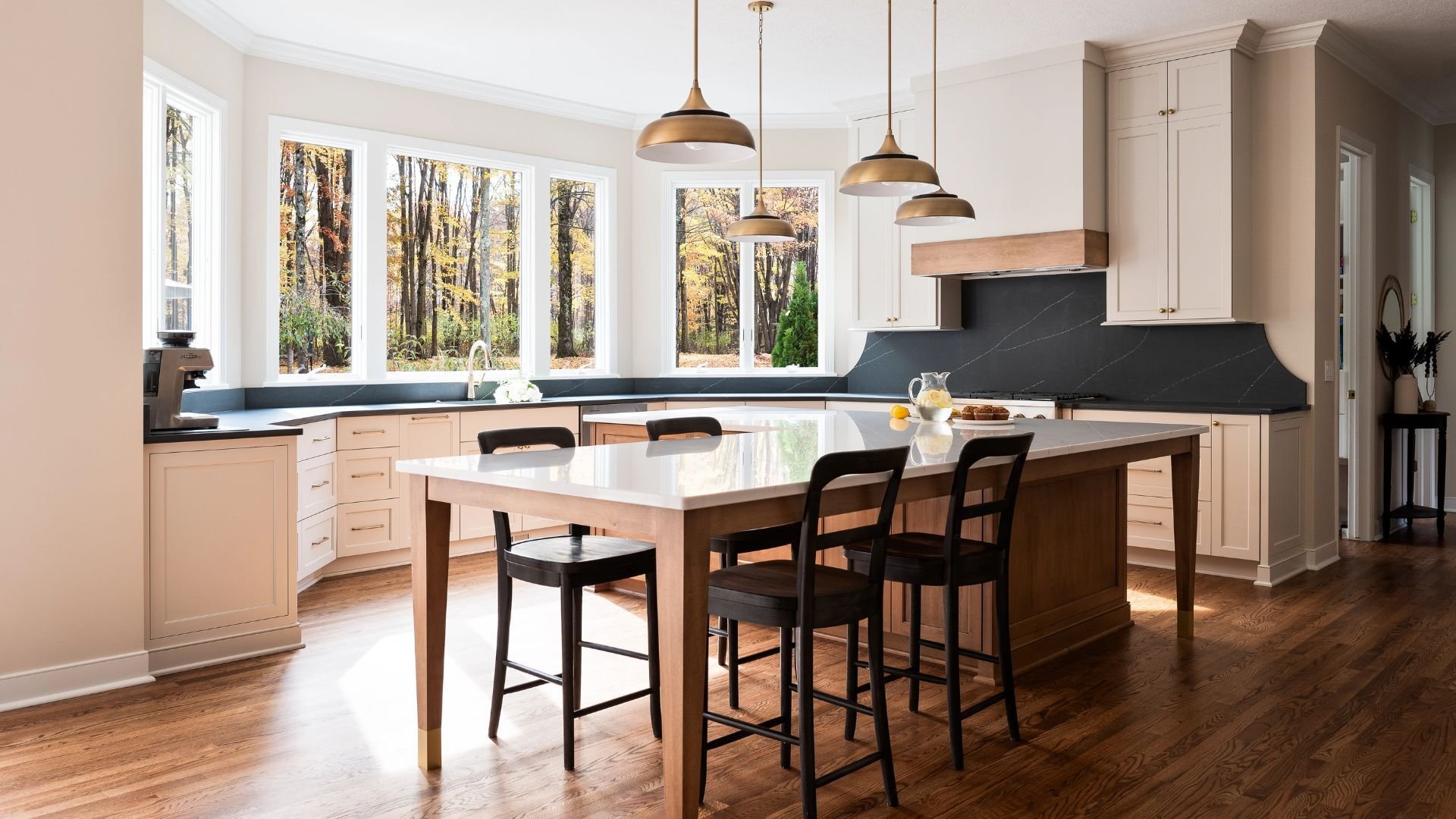
Countertops vary widely in price depending on material. Laminate and solid surface options are more budget-friendly, while quartz, granite, and natural stone increase kitchen remodel cost but offer durability and visual impact.
Labor plays a major role. Kitchens involve multiple trades—carpentry, plumbing, electrical, tile, and finishing work. The complexity of the project directly affects labor costs.
Layout changes significantly raise kitchen remodel cost. Moving plumbing, gas lines, or electrical systems requires additional labor, permits, and inspections.
Appliances and fixtures also influence the final number. Professional-grade appliances, specialty ventilation, and custom lighting add both functionality and cost.
Hidden Costs Homeowners Often Miss
Many homeowners underestimate kitchen remodel cost because they focus only on visible elements. Several important expenses are commonly overlooked.
Permits and inspections are often required, especially when electrical or plumbing work is involved. These are necessary for safety and compliance but add to the budget.
Design and planning fees are another factor. Professional design helps avoid mistakes and ensures a cohesive result, but it should be included when estimating total kitchen remodel cost.
Temporary living adjustments can also affect cost. Depending on the scope of the project, you may need to plan for eating out more often or setting up a temporary kitchen elsewhere in the home.
Finally, contingency funds are critical. Even well-planned kitchen remodels can uncover unexpected issues once demolition begins. A contingency buffer helps keep the project moving without financial stress.
Kitchen Remodel Cost vs Value
Kitchen remodel cost should always be considered alongside value—not just resale value, but daily living value as well.
From a resale perspective, kitchens are one of the most influential rooms for buyers. A well-executed kitchen renovation often delivers a strong return, especially when design choices appeal to a broad audience.
However, value isn’t measured only in dollars. Improved workflow, better storage, updated lighting, and modern appliances can significantly enhance how you experience your home every day. The “right” kitchen remodel cost balances future resale considerations with how long you plan to stay in the home and how you want to live in the space.
How to Set a Realistic Kitchen Remodel Budget
Setting a realistic kitchen remodel cost budget starts with clarity.
Begin by identifying your priorities. Decide which elements matter most—layout, storage, finishes, or appliances—and where you’re willing to be flexible.
Next, account for all cost categories, not just materials. Labor, permits, design, and contingencies should be part of the budget from the beginning.
It’s also important to align your budget with your home’s overall value. Investing far beyond neighborhood norms may limit return, while under-investing can make the renovation feel incomplete.
Working with an experienced remodeling partner helps ensure your kitchen remodel cost is aligned with both your goals and market realities.
Why Professional Planning Matters for Kitchen Remodel Cost
Kitchens are one of the most technically demanding rooms to remodel. Mistakes are expensive and difficult to undo once construction is underway.
Professional planning helps control kitchen remodel cost by identifying challenges early, coordinating trades efficiently, and minimizing change orders. It also ensures that design decisions support long-term functionality rather than short-term trends.
A design-build approach, where planning and construction are integrated, often leads to more accurate cost forecasting and smoother project execution.

How This Fits Into Your Overall Remodeling Budget
Kitchen remodel cost rarely exists in isolation. For many homeowners, the kitchen is part of a larger renovation plan that may include other rooms or structural improvements.
Understanding how kitchen costs fit into your overall remodeling budget helps you allocate funds strategically and avoid overextending in one area at the expense of others. This is why kitchen remodeling is often planned alongside broader budgeting conversations rather than as a standalone decision.
Final Thoughts: Plan Before You Price
Kitchen remodel cost is not just a number—it’s the result of dozens of decisions made before construction begins. Homeowners who take the time to understand cost drivers, plan realistically, and work with experienced professionals are far more likely to enjoy both the process and the final result.
If you’re considering a kitchen renovation, start with clarity. Understand what drives kitchen remodel cost, what range makes sense for your home, and how to plan a budget that supports your goals without unnecessary stress.
A well-planned kitchen remodel doesn’t just improve your home—it improves how you live in it.