
Most homeowners expect remodeling costs to include materials and labor. Cabinets, flooring, fixtures, and paint are easy to see—and easy to price. What catches many people off guard are the other remodeling costs that quietly add up and strain a budget once the project is already underway.
These overlooked expenses are rarely optional, and they often appear at the worst possible time: after demolition has started and decisions must be made quickly. Understanding these forgotten remodeling costs ahead of time helps homeowners plan realistically, avoid stress, and keep their renovation on track.
This guide walks through the most common remodeling costs homeowners forget to budget for—and why accounting for them early makes such a difference.
Why Remodeling Costs Often Go Over Budget
Remodeling projects are dynamic. Unlike buying finished products, renovations involve discovery. Once walls are opened or systems are accessed, conditions that were previously hidden become visible. Even well-maintained homes can reveal outdated wiring, plumbing issues, or structural repairs that must be addressed to meet current building codes.
Another reason remodeling costs exceed expectations is that many budgets are built around wish lists rather than processes. Homeowners price finishes but forget the professional services, approvals, and logistics required to install them properly.
The result is not poor planning—it’s incomplete planning.
Design and Planning Fees
One of the most frequently overlooked remodeling costs is professional design and planning.
Architectural drawings, interior design services, and engineering assessments are often essential—especially for projects involving layout changes or structural work. These services ensure the remodel is functional, code-compliant, and cohesive, but they come at a cost that should be included in the budget from the beginning.
Skipping proper planning may appear to reduce remodeling costs upfront, but it often leads to change orders, delays, and mistakes that increase total cost later.
Permits, Inspections, and Code Compliance
Permits and inspections are a necessary part of most remodeling projects, yet they are commonly forgotten during early budgeting.
Permit costs vary by municipality and project scope, but they can add up quickly—particularly for renovations involving electrical, plumbing, or structural changes. Inspections are required to verify work meets safety and building standards, and failed inspections can lead to rework and delays.
Remodeling costs related to permits are not negotiable, and ignoring them can result in fines, delays, or complications when selling the home in the future.
Demolition and Disposal
Demolition is often assumed to be a minor line item, but it can be a meaningful portion of remodeling costs.
Tearing out existing materials, hauling debris, and disposing of waste properly all require labor, equipment, and disposal fees. Older homes may also involve additional precautions, such as lead paint or asbestos handling, which further increase demolition-related costs.
Because demolition happens early, homeowners are often surprised by how quickly this expense appears.
Temporary Living Adjustments
Remodeling affects daily life in ways that are easy to underestimate. Depending on the scope of the project, homeowners may need to adjust routines, relocate temporarily, or rely more heavily on takeout and alternative living arrangements.
While these may not appear as line items in a contractor’s estimate, they are real remodeling costs that affect the overall financial picture. Extended projects can magnify these expenses over time.
Planning for these lifestyle-related costs helps reduce frustration and ensures the renovation remains manageable.
Utility Upgrades and Infrastructure Work
Many remodeling projects trigger the need for infrastructure updates. New appliances may require upgraded electrical panels. Expanded bathrooms or kitchens may demand plumbing improvements. HVAC systems may need modification to support layout changes.
These upgrades are often uncovered during planning or early construction and can significantly affect remodeling costs. While not always visible in the finished space, they are critical for safety, performance, and long-term reliability.
Ignoring infrastructure needs early almost always results in higher costs later.
Contingency Funds for the Unexpected
Perhaps the most important remodeling cost homeowners forget to budget for is contingency.
Even the most thoroughly planned renovation can encounter surprises. Hidden water damage, structural repairs, or outdated systems can emerge once work begins. Without a contingency buffer, homeowners are forced to make stressful decisions under pressure.
Industry best practices typically recommend setting aside a percentage of the overall budget as a contingency fund. This allows the project to continue smoothly without compromising quality or scope.
A contingency is not wasted money—it is insurance against disruption.
Post-Construction and Finish Work
Remodeling costs don’t end when construction does.
Final cleaning, touch-ups, minor repairs, and punch-list items all require time and labor. In some cases, additional work is needed after inspections or walkthroughs to address small but important details.
Homeowners often forget to budget for these finishing stages, assuming they are included or minimal. In reality, they are part of delivering a complete, polished result.
Landscaping and Exterior Restoration
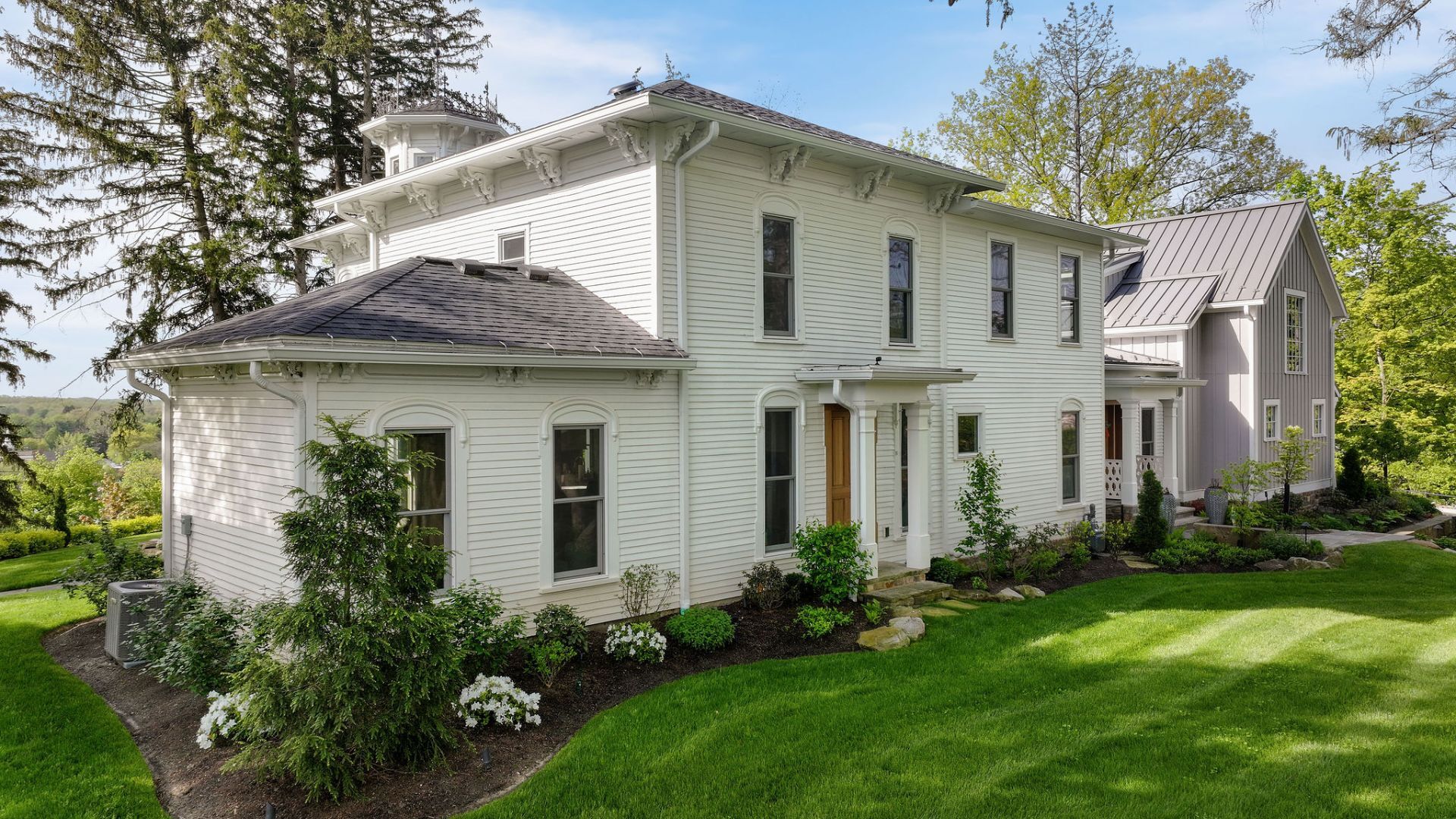
Interior remodeling can impact exterior spaces more than expected. Structural changes, new windows, or utility work may disturb landscaping, siding, or exterior finishes.
Restoring these areas is often necessary to complete the project properly, yet exterior restoration is frequently omitted from early remodeling cost estimates.
Including exterior considerations in the budget ensures the home looks finished—not patched together—when the project is complete.
Furniture, Storage, and Reorganization
After a remodel, homeowners often discover that existing furniture no longer fits the space or layout as expected. New storage solutions, furnishings, or organizational systems may be needed to fully enjoy the updated space.
While not strictly construction-related, these expenses are a real part of the remodeling experience and should be considered when planning total remodeling costs.
Why Forgotten Remodeling Costs Hurt More Than Expected
Forgotten remodeling costs don’t just affect the budget—they affect decision-making.
When unexpected expenses appear mid-project, homeowners may feel pressured to cut corners, compromise on finishes, or reduce scope. These last-minute adjustments often lead to regret long after the renovation is complete.
By planning for the full range of remodeling costs upfront, homeowners maintain control and confidence throughout the process.
How to Budget for the Full Picture
The most successful remodeling budgets are built around realism rather than optimism.
This means accounting for visible upgrades, professional services, approvals, contingencies, and lifestyle impacts. It also means working with experienced professionals who understand where remodeling costs tend to appear and how to plan for them.
A complete budget doesn’t eliminate surprises—but it dramatically reduces their impact.
Final Thoughts: Clarity Prevents Compromise
Remodeling costs extend far beyond materials and labor. The expenses homeowners forget to budget for are often the ones that create the most stress when they surface unexpectedly.
Understanding these hidden remodeling costs before construction begins allows homeowners to plan with clarity, protect their investment, and enjoy the renovation process with confidence.
A successful remodel isn’t just about what you build—it’s about how well you plan for everything it takes to build it.